Olive oil for restaurants, hotels and caterers
Formats and loadings verified 9 August 2026.
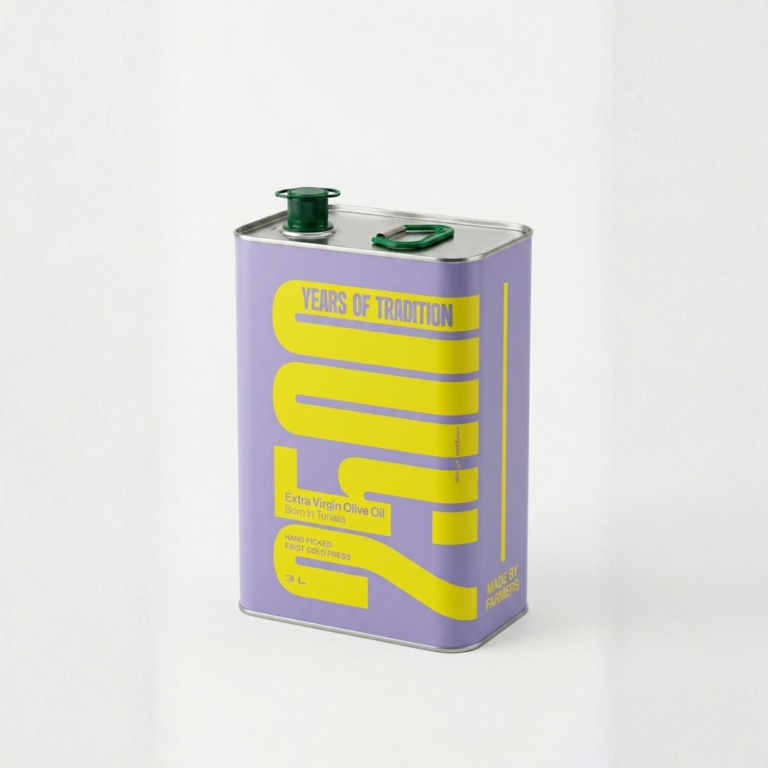
We supply extra virgin olive oil to food service in 3 L and 5 L tins, 200 kg drums, 1,000 L IBCs and 22-tonne flexitanks. It is the same oil that goes into our bottles — the same groves, the same pressing, the same lab report. Only the container changes.
Who we actually supply
Let us be straight about this, because it saves everyone a fortnight. Our minimum is one pallet per reference, or a 20-foot container in bulk. That is more oil than a single restaurant gets through in a year.
So we sell to the people who serve restaurants: food-service distributors, wholesalers, cash-and-carry operators, and hotel and restaurant groups buying centrally. If you are one restaurant and you want OLYFO on your pass, ask us who supplies your area and we will point you at them — or tell you honestly that nobody does yet.
The formats, and what fits on a pallet
| 3 L tin | 4 per case | 100 cases per pallet | 400 tins |
| 5 L tin | 4 per case | 80 cases per pallet | 320 tins |
| 1 L glass | 12 per case | 84 cases per pallet | 1,008 bottles |
| 200 kg drum | — | 80 per 20ft, 160 per 40ft | — |
| 1,000 L IBC | — | 10 per 20ft, 20 per 40ft | — |
| Flexitank | — | 1 per 20ft | 22 tonnes |
Which container for which kitchen
- 5 L tin. The workhorse. Best cost per litre of anything you can pour by hand, and the tin keeps light out completely — which matters more than most kitchens realise, because light is what turns good oil flat.
- 3 L tin. For kitchens with less shelf space, or where a smaller unit gets used before it can oxidise. Also the right size for a finishing oil you do not pour by the litre.
- 1 L glass. For front of house and table service, and for a finishing oil you want the guest to see.
- 200 kg drums and IBCs. For central kitchens, manufacturers and repackers with a pump and a tank.
The mistake that costs kitchens money
Buying one oil for everything, or buying two and using them the wrong way round.
A high-polyphenol extra virgin is wasted in a deep fryer — the heat strips out exactly what you paid for. And a flat refined oil on a finished plate tastes of nothing. What works is a straightforward split: a robust extra virgin for cooking and roasting, and a peppery high-polyphenol one for finishing, dressing and anything raw.
Our three oils cover that split. OLYFO Gold is Koroneiki, up to 400 mg/kg of polyphenols, acidity guaranteed at 0.4% or under — a finishing oil. OLYFO Origins is Chemlali, softer and rounder, which makes it the one to cook with. Gold Organic is the certified organic Chemlali for kitchens that need the certificate on file.
It is the same oil as the bottle
This is the part worth checking with any supplier. Plenty of producers sell a good bottled oil and a quietly different one in catering sizes. We do not. The tin, the drum and the bottle are filled from the same lot, and the lot analysis is the same document.
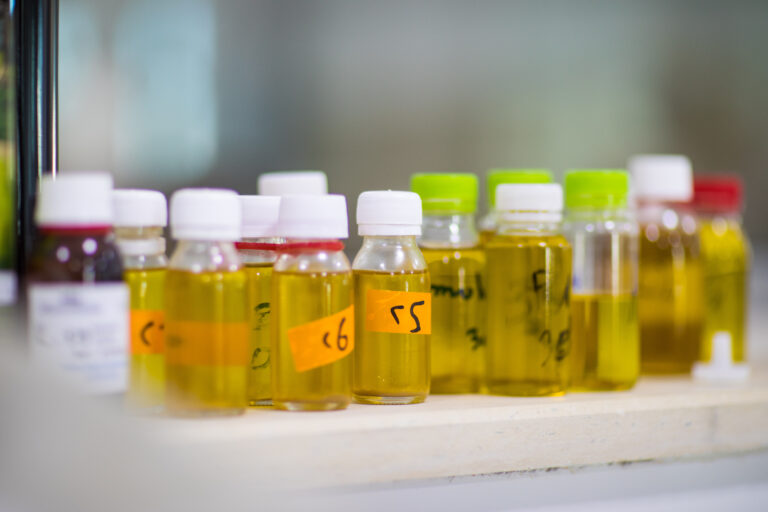
Our last three shipments measured free acidity of 0.29%, 0.20% and 0.35% against a legal extra virgin limit of 0.8%. The reports come from an independent certified laboratory, accredited to ISO/IEC 17025 and recognised by the International Olive Council. We publish them in full, which almost nobody does.
In the kitchens that matter
In Wales, OLYFO is on the pass at The Walnut Tree, The Bear Hotel and The Dragon Inn — three of the best-known kitchens in the country. Ann and Franco Taruschio, who made the Walnut Tree what it is, cook with our oil and have said so publicly.
We do not think a wall of logos proves much on its own. What this one tells you is narrower and more useful: kitchens that taste for a living, and have no reason at all to be polite about it, kept ordering.
What comes with the order
- Certificate of analysis for the exact lot, from an accredited laboratory
- ISO 22000 and HACCP documentation for your food-safety file
- Ecocert organic certificate and transaction certificate where the oil is organic
- Halal certification on request
- Allergen and nutrition data calculated for your market
- Pallet weights, dimensions and shelf life for your goods-in team
Shelf life is 24 months from production, stored at ambient temperature away from light.
Antipasti for the same kitchens
The same shipment can carry Poppa Peppa — harissa, meshouia, olives, artichokes and sundried tomatoes in 220 g and 320 g jars. Useful if you are filling a container and want more than oil on the pallet.
Lead time and delivery
Four to six weeks from a confirmed order to goods ready, and less in bulk because there is no glass or labelling to wait for. We ship FOB Radès as standard, or CFR and CIF to your port on request. More on lead times · more on ports and incoterms.
The right size for your kitchen. The same oil as the bottle.
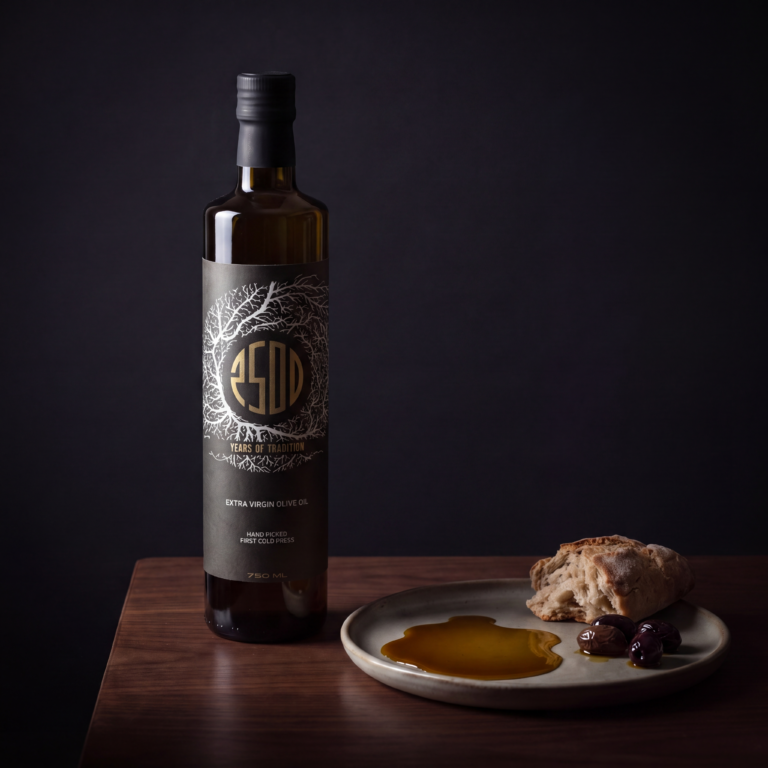
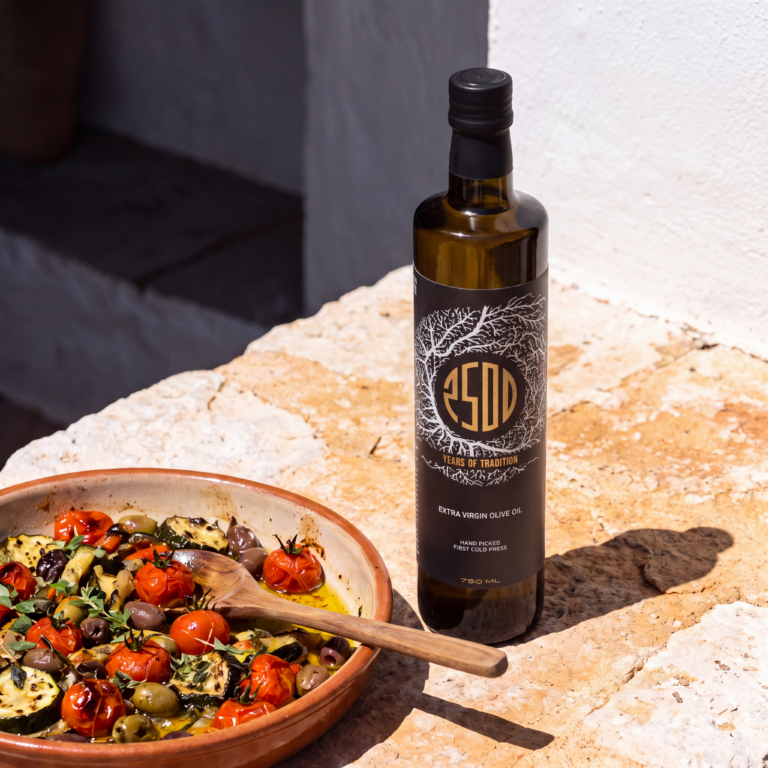
A busy kitchen does not need a different oil. It needs a different container. The extra virgin olive oil in our 3 litre and 5 litre tins is the same oil as the 750 ml bottle on a restaurant table: the same lots, the same analysis. The tin keeps the light out, and light is what ages olive oil between deliveries.
- 3 L tin: 400 to a pallet. For smaller kitchens and tight dry stores.
- 5 L tin: 320 to a pallet. The best value for a working kitchen.
- 1 L glass: 1,008 to a pallet. For the table.
- Drums, IBCs and flexitanks for central kitchens.
Chefs who care about what goes on the plate already cook with it, in kitchens across Wales – among them restaurants that hold a Michelin star.
Extra virgin is a grade, not a compliment
Olive oil is sold in legal grades, and the name on the tin tells you which one you are paying for.
- Extra virgin: the top grade. Free acidity at or below 0.8%, and no defects when tasted by a trained panel. Our lots last season tested 0.29%, 0.20% and 0.35%.
- Virgin: acidity up to 2.0%, and small defects are allowed.
- “Olive oil”, “pure” or “light”: mostly refined oil, with a little virgin oil added for colour and taste.
We supply extra virgin only.
Common questions
Can you supply a single restaurant?
Not directly, in most cases — our minimum is a pallet. Tell us where you are and we will tell you whether there is a distributor near you carrying OLYFO.
Can we put our own label on the tins?
Yes. Private label starts at three pallets per reference and covers the 3 L and 5 L tins as well as the bottles. More on private label.
Do you supply olive oil for frying?
We supply extra virgin only. It fries perfectly well — its smoke point is higher than the myth suggests — but if you want a cheap refined oil for a fryer, we are not the right supplier and we will say so.
How should tins be stored?
Upright, ambient, away from the pass and away from windows. Heat and light do far more damage than time. An unopened tin holds for 24 months; once opened, use it within a few weeks.
Next
Bulk olive oil · Formats and palletisation · The Digest · Become a distributor
Tell us the format, the volume, the destination country and the incoterm, and you will get a price rather than a question. Talk to us.
New to this origin? Our guide to Tunisian olive oil covers the varieties, why Tunisia has one of the largest certified organic olive areas in the world, and how to judge quality before you buy.
For kitchens and production: the smoke point of extra virgin olive oil.