What private label experience do you have?
Last reviewed 8 August 2026.
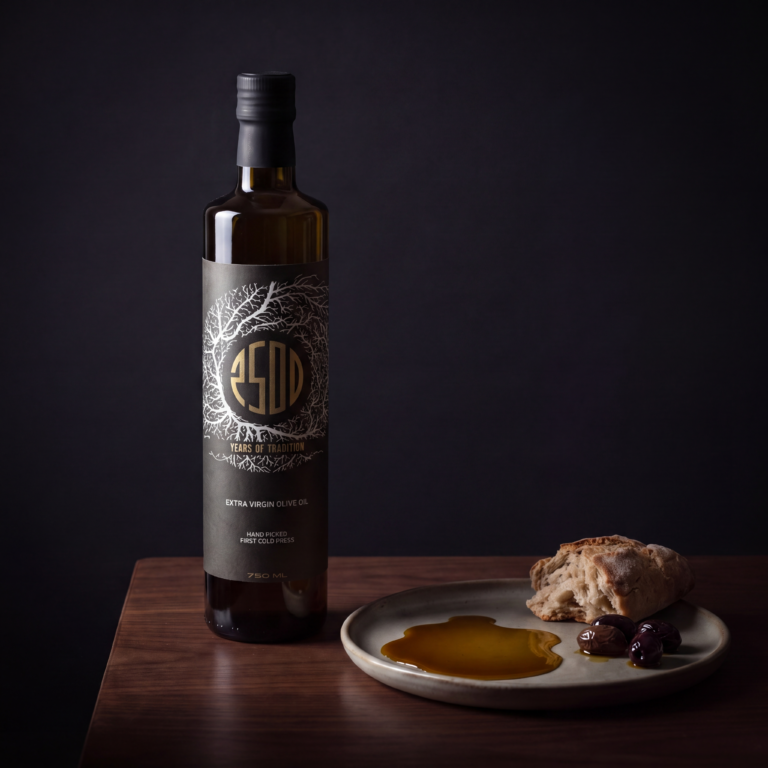
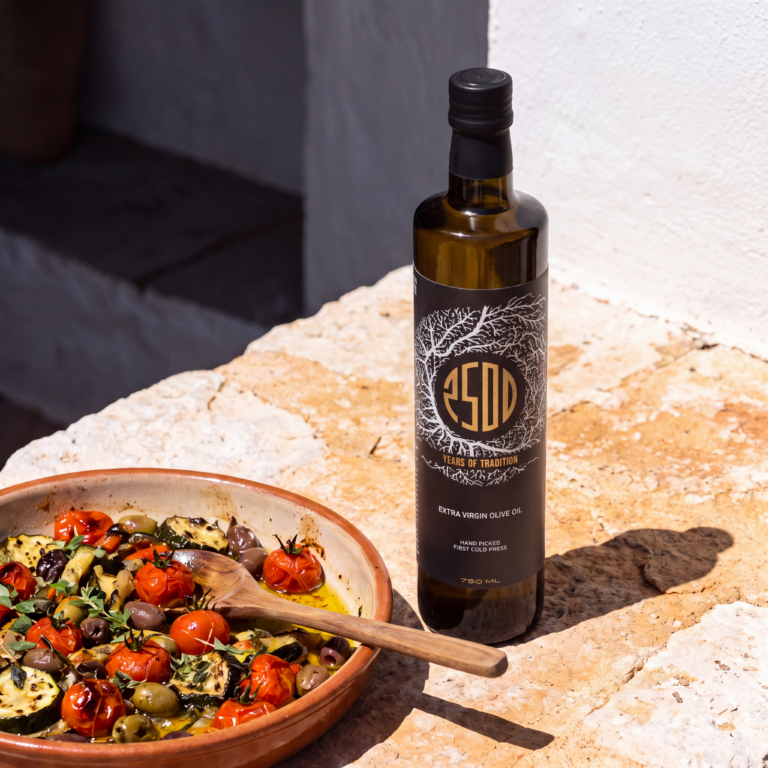
We have been running private label olive oil since 2020 and we ship to more than twelve countries across five continents. The minimum is three pallets per SKU. What you are buying is not just filled bottles — it is the packaging decisions, the label compliance and the export paperwork that turn oil into a product a retailer will actually list.
Why we will not name our clients
You will notice there is no logo wall on this page. That is deliberate. If a buyer’s competitor can read who makes their olive oil, they can work out roughly what it costs, and they can approach the same supplier with the same brief. Our clients’ listings are their advantage, not our marketing material. If we published yours, you would be right to wonder who else we publish.
What we will do is talk about relevant experience in your market, your category and your format on a call, without naming anyone. Ask for the specifics you actually need — “have you shipped organic 500 ml into Germany” is a question we can answer usefully; “who are your clients” is not.
What the service covers
- Format and bottle. 250 ml, 500 ml, 750 ml and 1 litre glass in Dorica or Marasca, plus 3 litre and 5 litre metallic tins. Which one you pick changes your pallet economics more than most buyers expect — the numbers are on formats and palletisation.
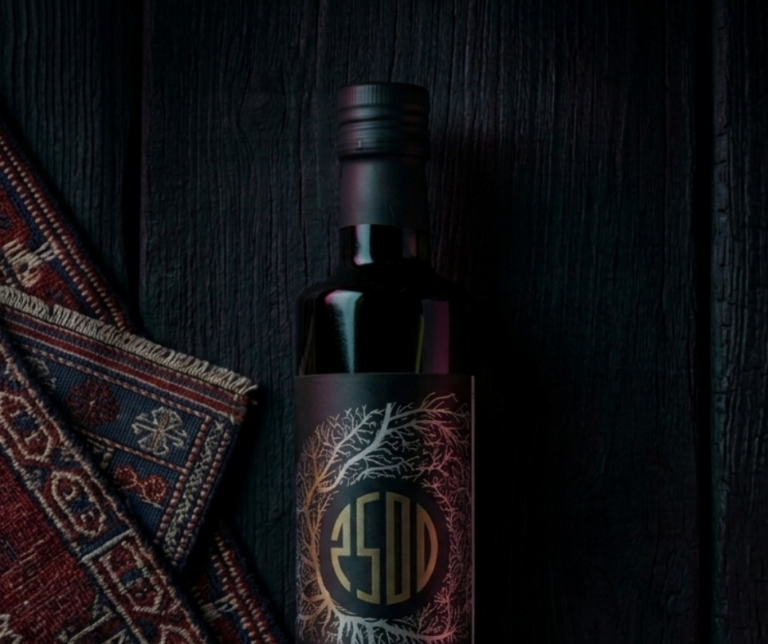
- Label artwork and compliance. We check your artwork against the food law of the country you are selling into: nutrition panel, allergen wording, grade declaration, importer details, language requirements, and the organic certifier code if the oil is certified.
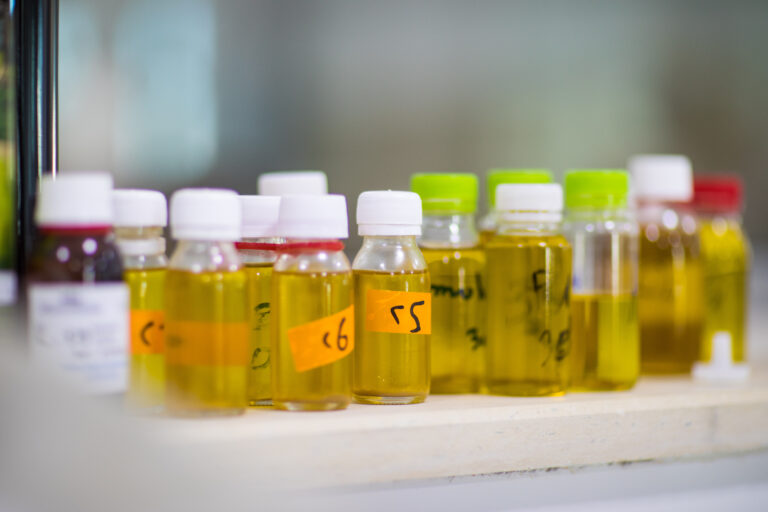
- The oil itself. Extra virgin, conventional or certified organic, single-variety Koroneiki or Chemlali, specified to a free acidity you agree in advance rather than one you discover on arrival.
- Filling, coding, casing, palletising and wrapping at our partner facilities in Jammel and Mornag.
- Export documentation — certificate of origin, certificate of analysis for your lot, health certificate, and the organic transaction certificate where it applies.
Where first-time private label buyers lose time
- Designing the label before choosing the bottle. Dorica and Marasca have different label panels. Artwork designed for one has to be redrawn for the other.
- Leaving the destination country until after the quote. It determines the whole compliance layer. Tell us in the first message and you save a week.
- Ordering one SKU when the retailer wanted three. Three pallets is per SKU, so a three-size launch is nine pallets. Worth knowing before you build the range.
- Underestimating approval time. The printing is fast. Waiting for a sign-off from someone on holiday is what actually costs the fortnight.
Where we sit in the market
In 2025/26 Tunisia produced roughly 500,000 tonnes and exported 352,000 tonnes, but 86.3% of that left in bulk and only 13.7% left packaged. Most Tunisian oil is bottled by somebody else, somewhere else, under somebody else’s brand. Private label at origin means the bottling happens where the pressing happened, which removes a shipping leg, a handling step and a margin. That is the structural reason the numbers work, and it is a published statistic rather than a claim. See the harvest report.
Next
Tell us the format, the volume, the destination country and whether you need conventional or organic. You will get a quotation and a realistic date. Private label olive oil · starting your own brand · send an enquiry.
Related: marketing support · lead times · payment terms.