Light, Heat and Time: How to Store Olive Oil So the Last Spoon Tastes Like the First
🗓 07.09.26
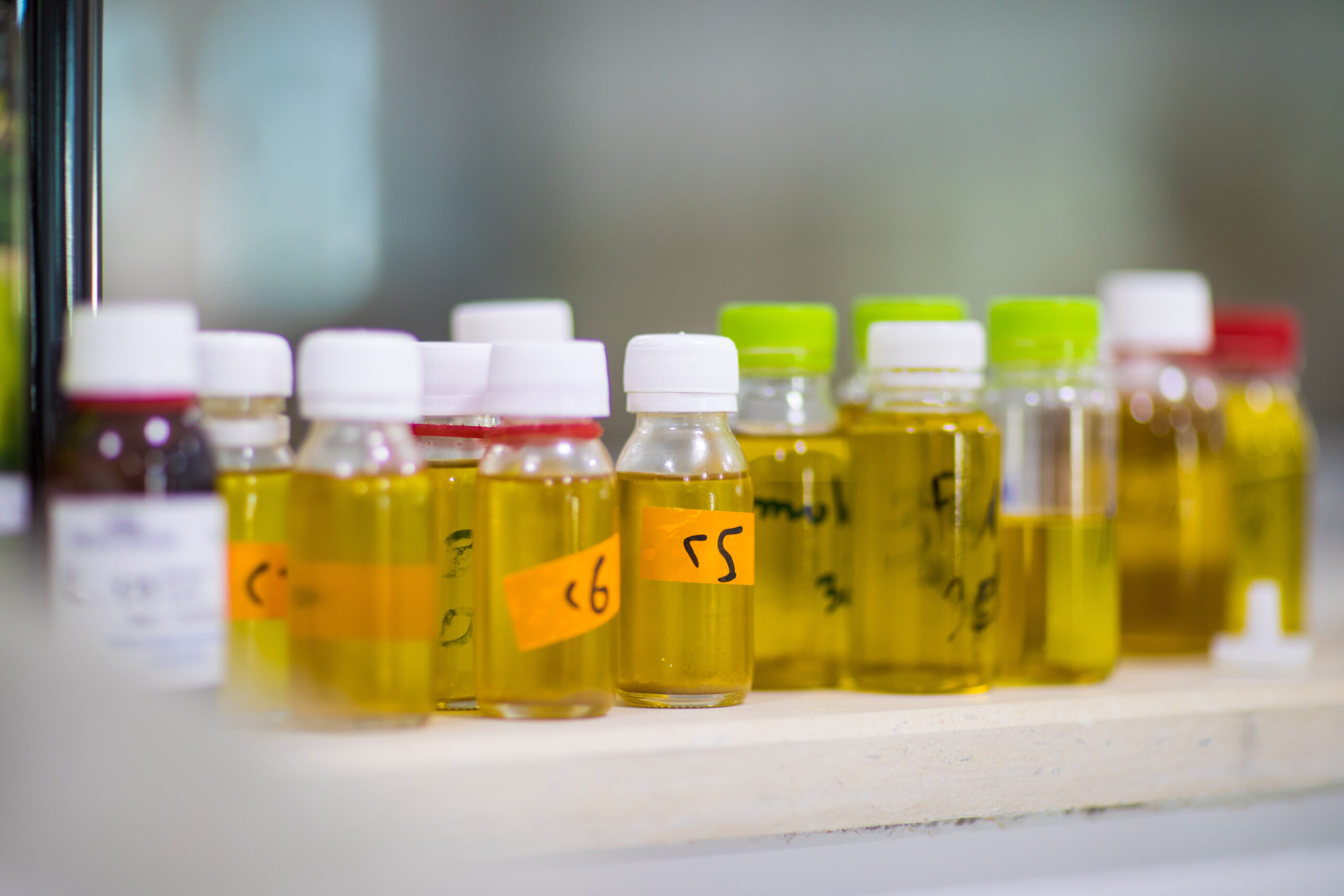
Extra virgin olive oil is the only major cooking fat that is a fresh fruit juice. It is pressed, not refined, and that is exactly why it needs looking after. Nothing was added to keep it stable, and nothing was stripped out to make it inert. From the moment it leaves the mill, an olive oil is on a slow, quiet decline, and how steep that decline is depends almost entirely on how it is kept.
1. What actually ages an olive oil
Four things: light, heat, oxygen and time. Time is the only one nobody controls, and it is the least aggressive of the four.
Light is the fastest. A clear bottle on a sunny windowsill is a small greenhouse. Heat comes next: the shelf above the hob, the cupboard beside the oven, a car boot in August. Oxygen works through a loose cap, a half-empty bottle, a pouring spout left open. Research published on olive oil chemistry suggests that the polyphenols responsible for much of the peppery, grassy character, and for a good part of the antioxidant interest in the oil, decline with exposure to light, heat and air.
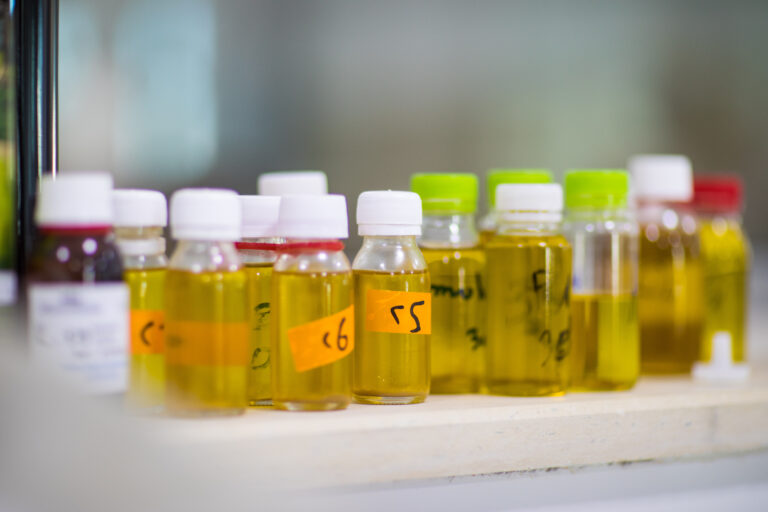
This is why freshness is a chain rather than a claim. Free acidity for extra virgin is capped at 0.8% by the International Olive Council. OLYFO oils typically test at or below 0.5%, and a February 2026 result from certified labs measured 0.30%. Those figures describe the oil at the moment it was tested. Good storage is what keeps the bottle in your kitchen close to them.
2. What to do in a home kitchen
Start by moving the bottle off the counter. The single most useful change most households can make is to stop keeping oil beside the cooker, where it is warm and lit all day.
Then:
✔ Keep it in a closed cupboard, away from the oven and the window
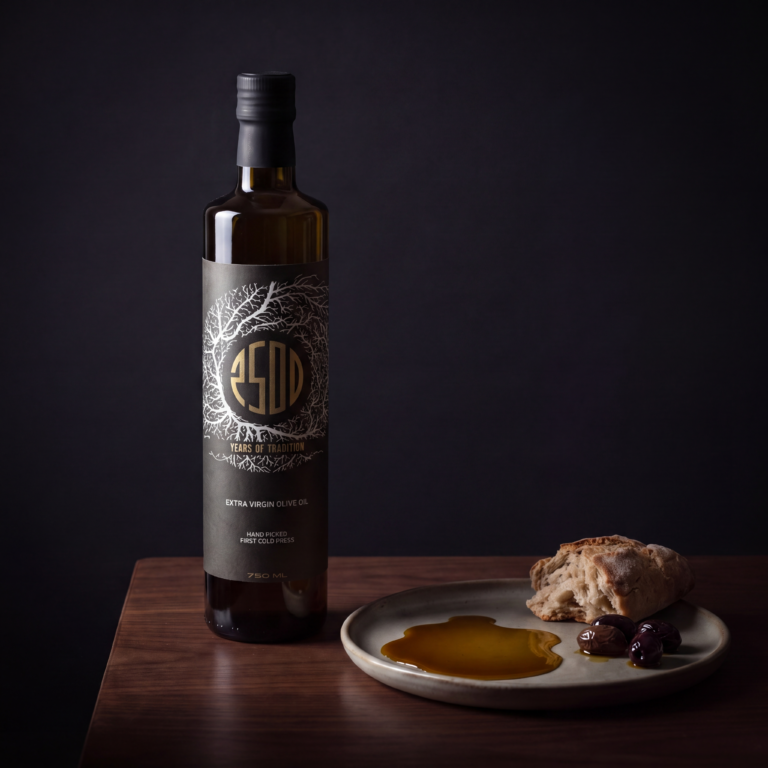
✔ Keep it in the dark glass or tin it came in, and never decant into a clear cruet
✔ Close the cap properly after every pour
✔ Buy the size you will finish in a few months, not the biggest bottle on the shelf
✔ Room temperature is right; the fridge is unnecessary, and cloudiness from cold is harmless
Plan around the calendar too. In Tunisia the olives are picked from the end of November into the winter, so the oil on your shelf in September belongs to the previous season. Kept properly it is excellent, and it is worth finishing before the new one arrives.
3. What a buyer should ask
For importers, distributors and private label owners, storage is the part of the specification most often left blank, and the part most often responsible for a complaint six months later.
→ Ask how the oil is held before filling, and at what temperature
→ Ask what the packaging protects against: dark glass and tin protect, clear glass does not
→ Ask for lot numbers and traceability, so a result can be matched to a batch rather than to a brand
→ Ask what testing is done and by whom; the honest answer is certified labs, with a result you can read
→ Then audit your own chain: the container in summer, the warehouse under the roof, the retail spotlight, the shelf that does not turn
OLYFO plants its olive trees on its farms in Kairouan and Zaghouan, in a country that is the world’s leading producer of organic olive oil and one of the world’s largest olive oil exporters, standing on 2,500 years of cultivation from Carthage to Rome to today. Our Chemlali gives mild, fruity oils with almond notes; our Chétoui gives bold, peppery, herbaceous ones. Neither of them survives a hot warehouse.
Storage is not glamorous. It is, however, the cheapest quality control available to anyone who has already paid for a good oil.
Because in the end, quality olive oil isn’t just claimed. It’s proven.