Light, Heat, Air, Time: How Olive Oil Ages After You Open It
🗓 28.09.26
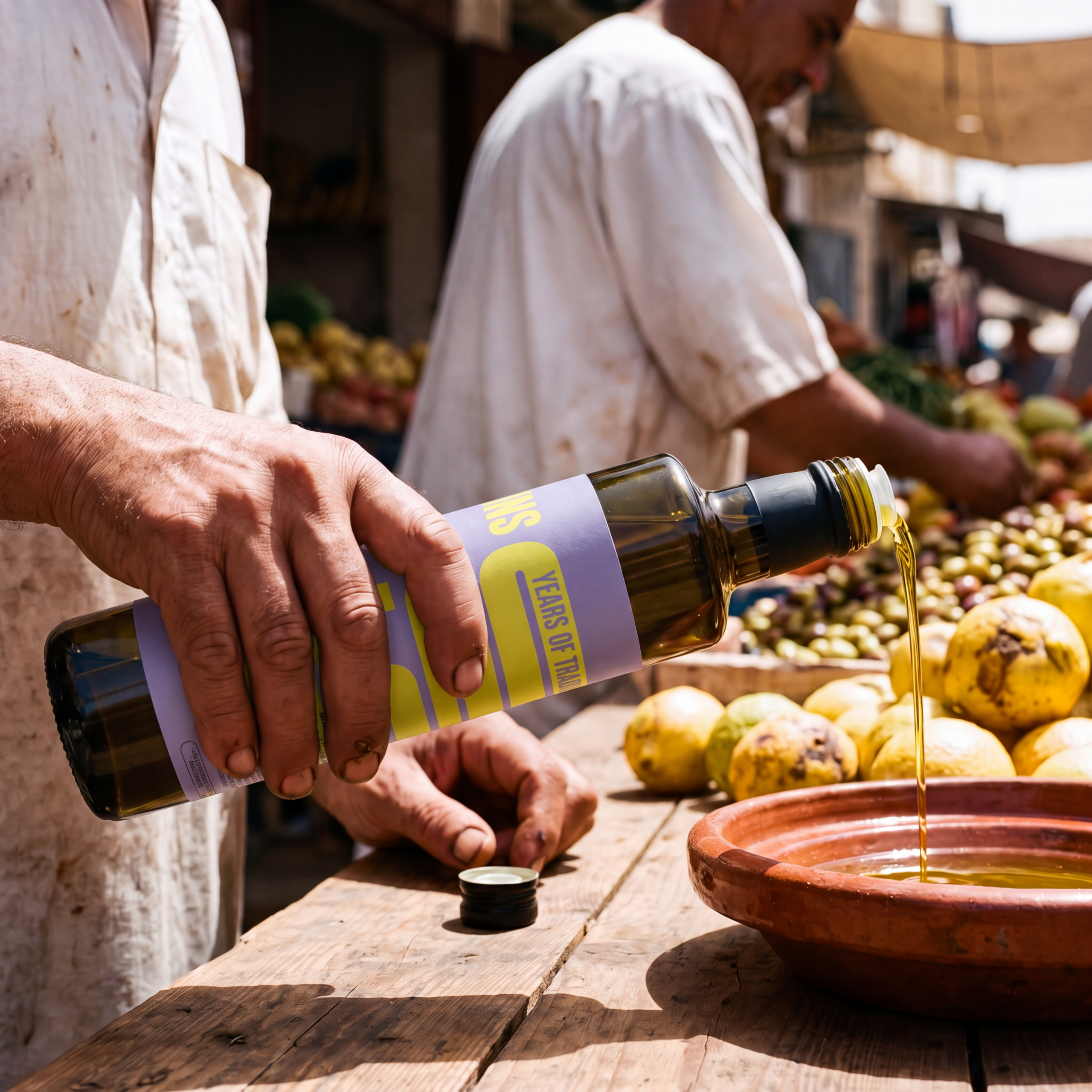
Extra virgin olive oil is a fresh product. It is the juice of a fruit, pressed and nothing added, and unlike wine its best moment is at the beginning. Everything after milling is a slow loss — slower if the bottle is stored well, faster if it is not. Three things decide how much of the flavour you actually get to eat: what happens inside the bottle, the conditions around it, and how good the oil was on the day it was filled.
1. What is actually happening inside the bottle
Oxidation. Oxygen reaches the oil every time the cap comes off, and light and heat accelerate what oxygen starts. The first losses are the aromas: fresh-cut grass, green almond, tomato leaf. Those are volatile compounds and they leave first. Research on olive oil storage suggests that polyphenols — the bitter, peppery compounds that also carry much of the oil’s antioxidant interest — decline gradually over months of storage, and faster in warm, bright conditions. Free acidity creeps upward too, though slowly.
None of this makes a well-kept oil unpleasant overnight. It makes it quieter. A Chétoui-led oil that arrived bold, peppery and herbaceous drifts towards neutral. A Chemlali oil that was mild, fruity and almond-scented simply flattens. Character is what you paid for. Storage is how you keep it.
2. The four conditions you control
Light. Clear glass on a sunny windowsill is the fastest way to age an oil in a domestic kitchen. Dark glass, a tin, or a closed cupboard all solve it, and none of them cost anything.
Heat. The cupboard next to the oven feels convenient and behaves like a radiator. Choose the coolest, most stable spot you have, away from the hob and out of direct sun.
Air. Close the cap properly and immediately, every time. Buy the size you will genuinely finish. A large tin is good value only while it is being used; if you keep one, decant a working amount into a smaller dark bottle and leave the rest sealed.
Time. Look for a harvest or fill date, not only a best-before. A producer who tells you when the oil was made is telling you something that a best-before alone never does. Then treat the oil as something to use, not to display. An unopened bottle saved for a special occasion is usually an oil past its best on the night it is finally poured.
3. Where the oil starts decides how long it lasts
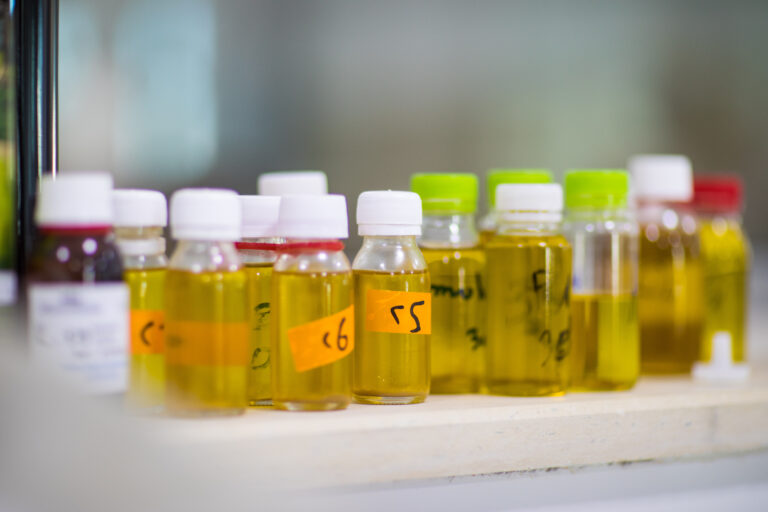
Good storage can only protect what was already there, which is why the numbers at filling matter to a home cook and to a buyer for the same reason. The International Olive Council sets the legal ceiling for extra virgin at 0.8% free acidity. OLYFO oils typically test at or below 0.5%, and a February 2026 result came back at 0.30%, tested by certified labs. That gap is not a boast; it is headroom. An oil that starts well below the ceiling has room to travel, sit in a warehouse and wait on a shelf while still being what the label says.
The headroom is built before the bottle. Our trees grow on our farms in Kairouan and Zaghouan, where our farmers pick Chemlali and Chétoui at the right moment — the new season begins with the harvest in the last week of November — and the fruit is milled quickly, because delay between picking and pressing is one of the few faults no storage advice can undo.
For trade buyers, the same four conditions simply scale up: pallets kept away from exterior walls, ambient temperature control, sealed cases, and honest first-in-first-out rotation. Tunisia is the world’s leading producer of organic olive oil and one of the world’s largest olive oil exporters, and the oils that travel best out of it are the ones that left with margin to spare.
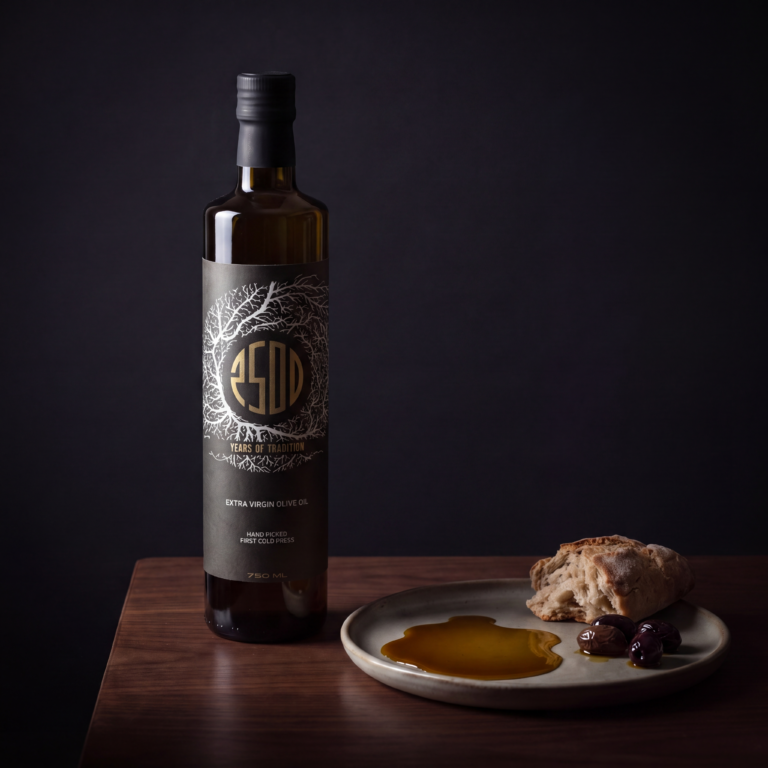
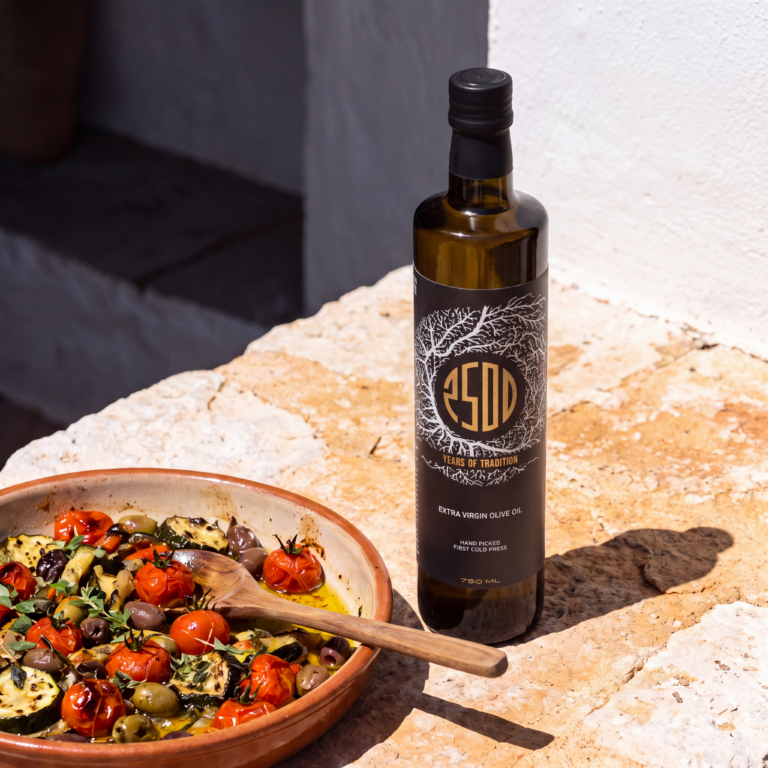
OLYFO Origins Extra Virgin Olive Oil — 2500 years of tradition in every drop — is milled and filled with exactly that margin in mind.
Because in the end, quality olive oil isn’t just claimed. It’s proven.