Women and the Senses – Inside the Tasting Panels That Define Extra Virgin Olive Oil
🗓 30.07.26
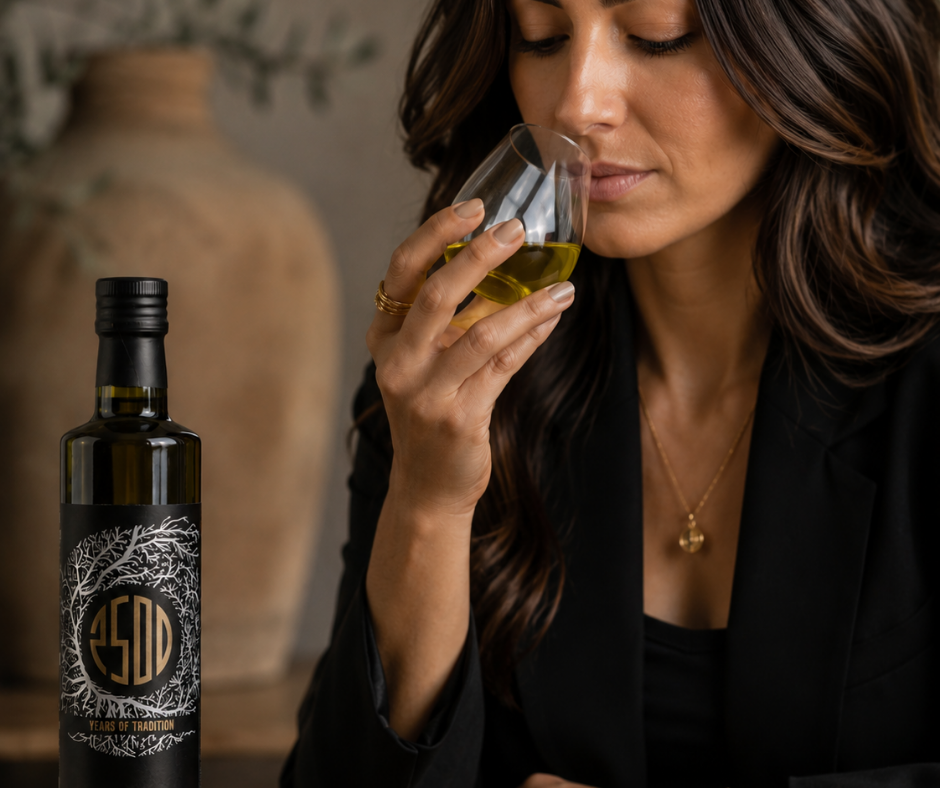
Behind every bottle of extra virgin olive oil that reaches a supermarket shelf, a fine dining restaurant, or a private importer’s warehouse, there is a step that few consumers ever see: the sensory tasting panel. On 13 August, Tunisia celebrates National Women’s Day, commemorating the Code of Personal Status of 1956 that placed the country at the forefront of women’s rights in the region. It is a fitting moment to highlight a quiet, skilled, and often female-led part of the olive oil value chain.
1. Why Sensory Tasting Is Built Into the Definition of EVOO
Under the International Olive Council standard, an oil cannot be classified as extra virgin on chemical analysis alone. It must also pass an organoleptic evaluation, a structured sensory assessment carried out by an accredited tasting panel of at least eight trained tasters under controlled conditions. The panel scores attributes such as fruitiness, bitterness, and pungency, and must confirm the absence of defects such as fusty, musty, rancid, or winey notes. Only when an oil presents zero median defect and a fruitiness greater than zero can it carry the extra virgin grade. In other words, the highest grade is not awarded by a laboratory machine alone. It is awarded by human senses.
2. The Role of Women on the Tasting Panel
Across Tunisia, Italy, Spain, and Greece, women are consistently well represented on official tasting panels, and research in sensory science has often shown a higher average ability among women to identify and verbalize subtle aromas and defects. Becoming a recognized panel taster requires years of training in IOC methodology, regular calibration, and continuous practice. It is precise, demanding, and largely invisible work. Many of the panelists are women working in cooperatives, research institutes, and producing companies, including those that supply leading export markets. Their judgment ultimately decides which oil deserves the words extra virgin and which does not.
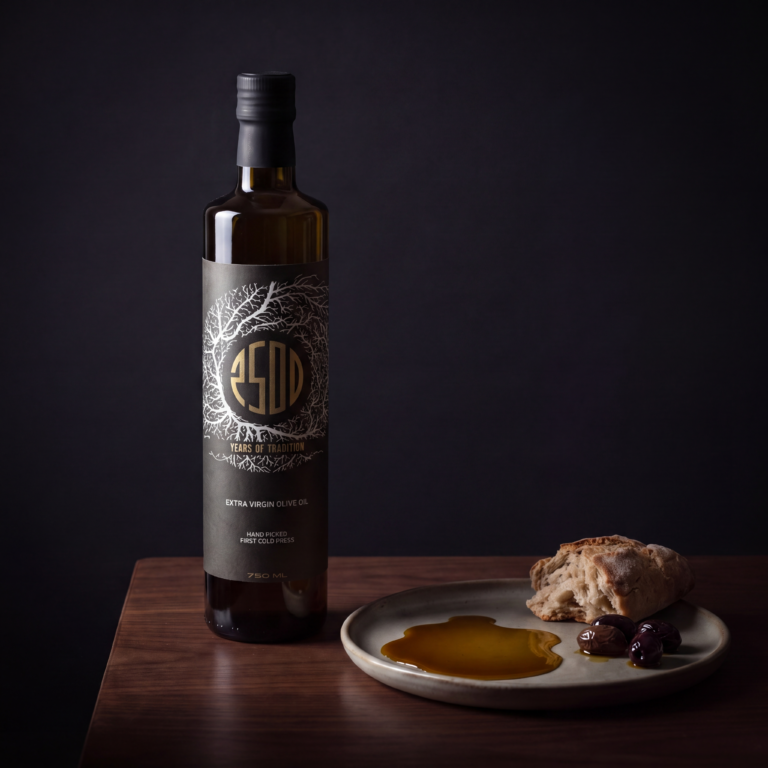
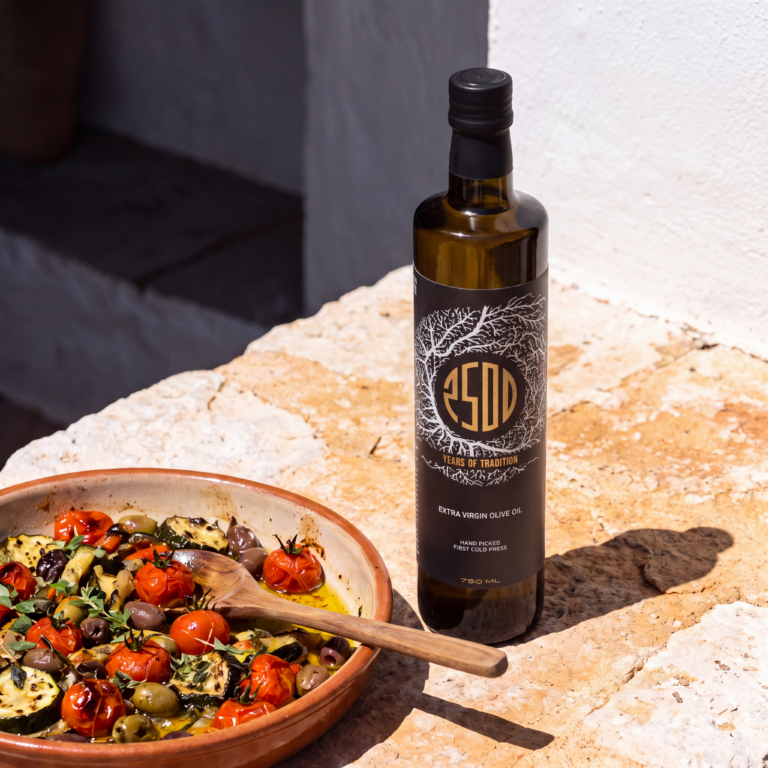
3. What This Means for Buyers, Importers, and Brand Owners
For buyers, the sensory step matters for three concrete reasons. First, it is a defense against fraud, because chemical parameters can be respected by oils that nonetheless show sensory defects. Second, it is a guarantee of consistency, since each batch can be evaluated and matched against an agreed profile. Third, it builds a clear, defensible quality story that can be communicated to end clients and end consumers, from HORECA operators to gourmet retailers. At OLYFO, the sensory dimension is taken as seriously as the chemical one. Our 2500 Years of Tradition range, The Gold, The Gold Organic, and The Origins, is built around oils whose profiles are evaluated rigorously, with deep respect for the women and men who carry that responsibility. On Tunisia’s National Women’s Day, we recognize them. The next time a bottle reaches a table, somewhere in the world, part of what is being poured is their precision, patience, and craft.