How to Store and Preserve Extra Virgin Olive Oil
🗓 02.07.26
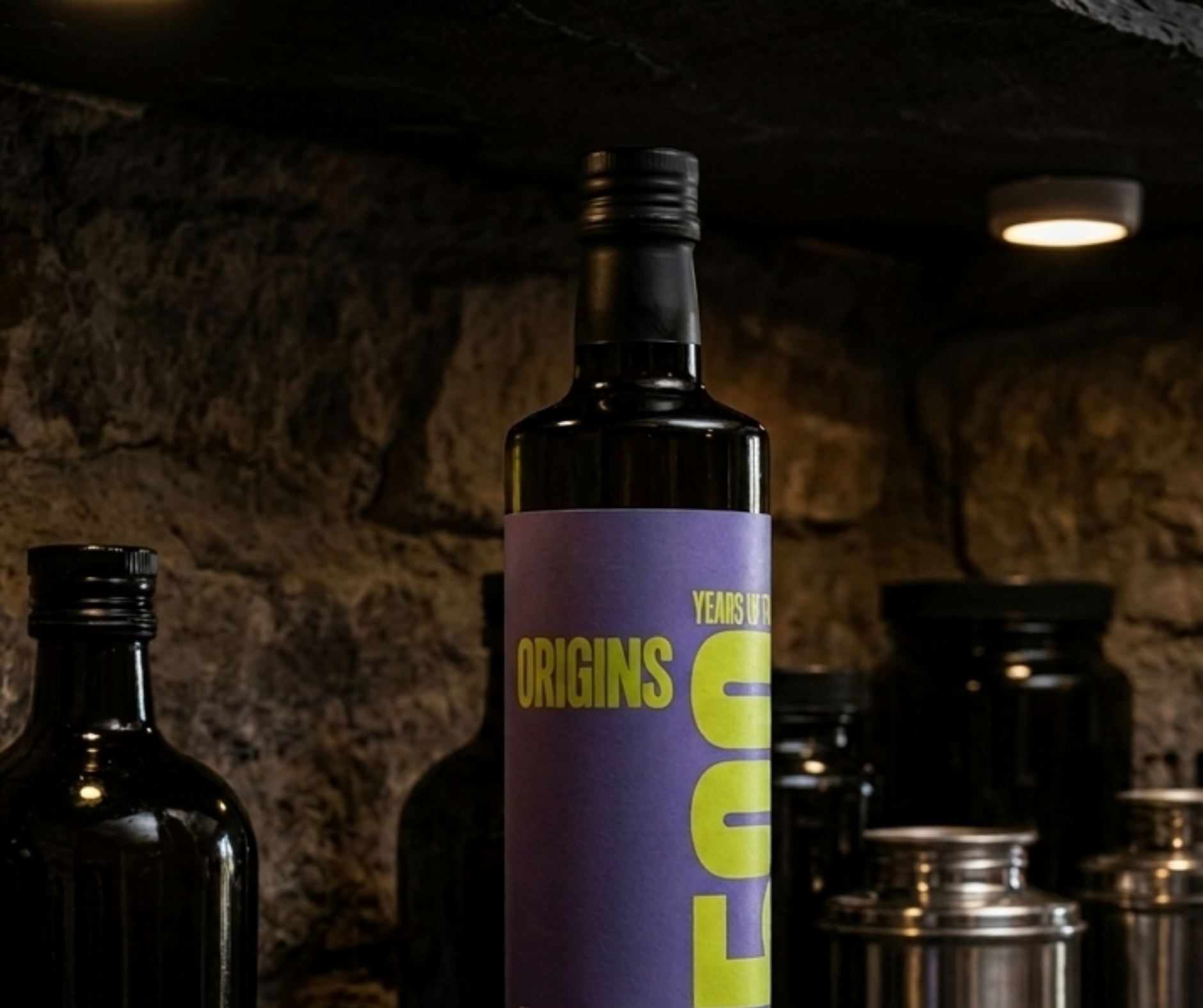
Extra virgin olive oil is not just a product it is a living, natural juice extracted from fresh olives, rich in delicate aromas, antioxidants, and nutritional compounds. However, these qualities are highly sensitive to environmental conditions. For businesses, distributors, and buyers, proper storage is not optional it is essential to maintaining quality, protecting value, and delivering a consistent premium product to clients.
1. Understanding the Enemies of Olive Oil Quality
To preserve extra virgin olive oil, it is crucial to understand what causes its degradation. The three primary enemies are light, heat, and oxygen. These factors accelerate oxidation, a natural chemical process that breaks down the oil’s beneficial compounds and leads to rancidity and loss of flavor.
Exposure to sunlight or artificial light triggers photo-oxidation, while heat speeds up chemical reactions that damage the oil’s structure. Oxygen, introduced every time the bottle is opened, further accelerates deterioration.
From a corporate perspective, controlling these three elements is the foundation of any effective storage and preservation strategy.
2. Best Storage Practices for Maximum Freshness
Maintaining optimal storage conditions ensures that olive oil retains its quality from production to final use. The ideal environment is a cool, dark place, typically between 14°C and 22°C, away from direct sunlight and heat sources such as stoves or windows.
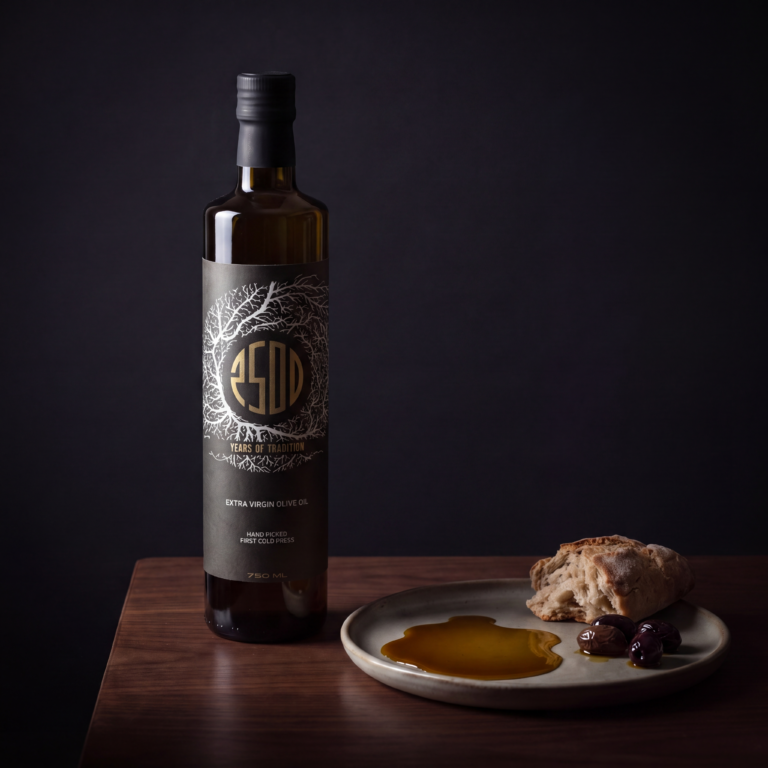
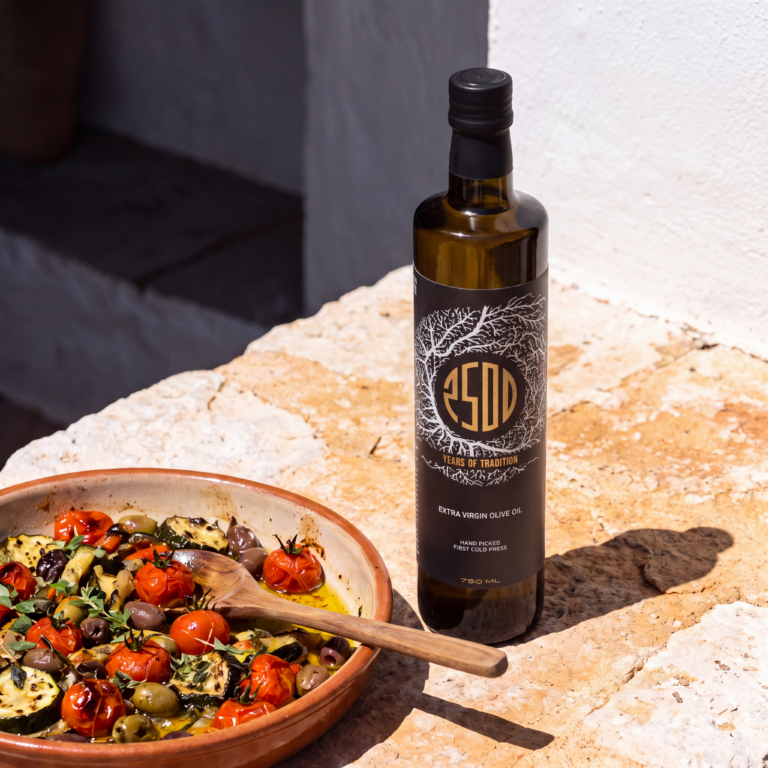
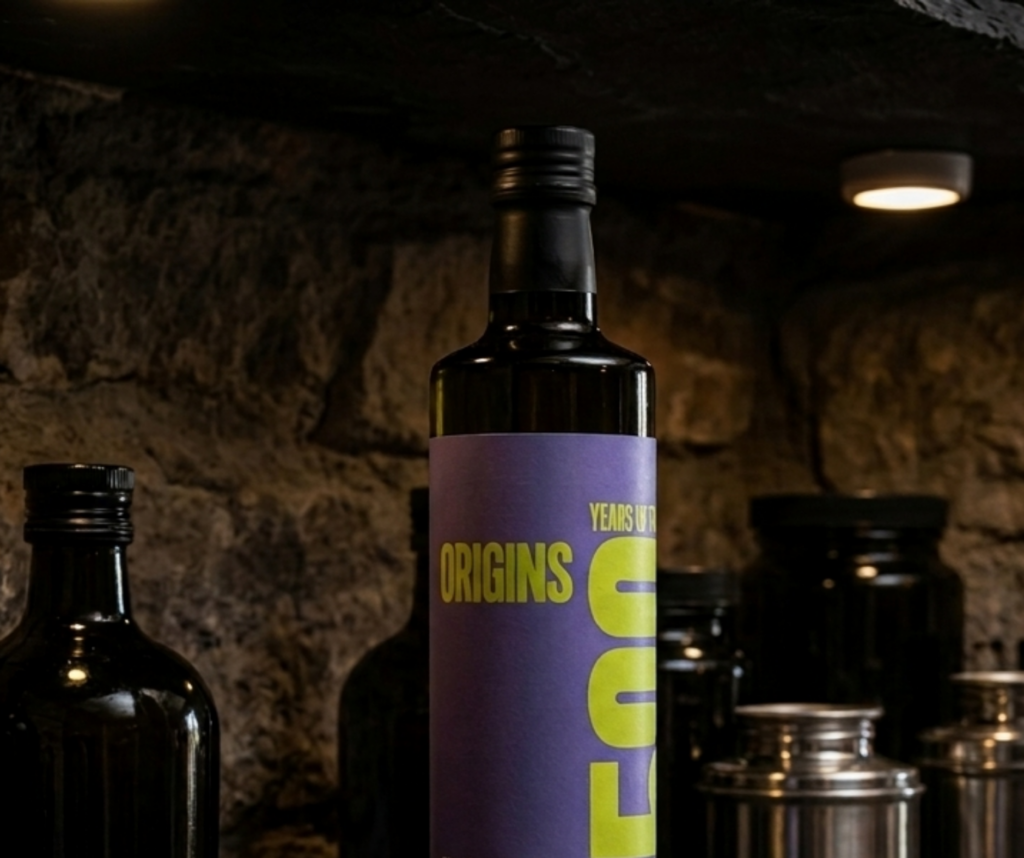
Equally important is the choice of packaging. Dark glass bottles, stainless steel containers, or opaque tins are preferred because they protect the oil from light exposure. Clear glass or plastic containers, on the other hand, can accelerate degradation.
Finally, minimizing air contact is essential. Bottles should always be tightly sealed after use, and for larger volumes, transferring oil into smaller containers can reduce oxidation by limiting the amount of air inside.
3. Shelf Life, Handling, and Quality Control
Even under ideal conditions, extra virgin olive oil has a limited shelf life. Typically, it maintains optimal quality for 12 to 18 months when unopened, and should ideally be consumed within 3 to 6 months after opening to preserve its flavor and nutritional value.
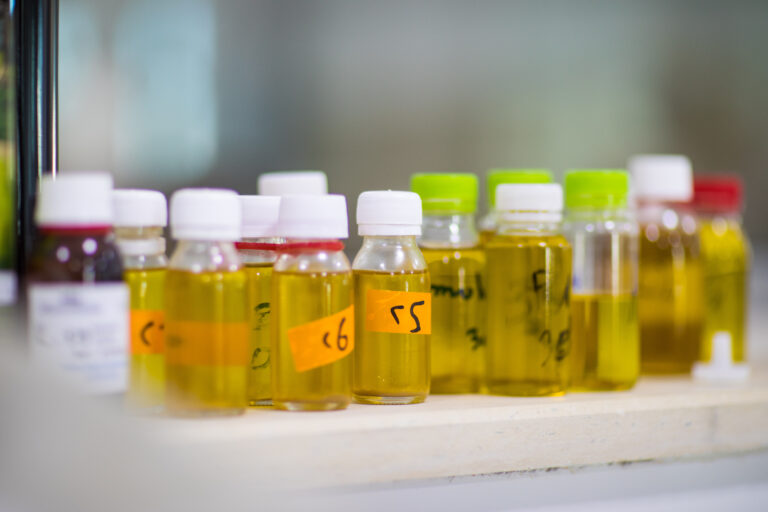
For corporate operations, this highlights the importance of inventory rotation, proper labeling (harvest date), and controlled storage environments. Regular quality checks based on aroma, taste, and visual clarity can help detect early signs of degradation.
Ultimately, preserving olive oil is about protecting both product integrity and brand reputation. When handled correctly, extra virgin olive oil retains its full sensory profile and health benefits, ensuring that every drop delivered meets the expectations of quality-conscious clients.