7 Warning Signs You’re Buying BAD Olive Oil (And One Common Myth to Ignore)
🗓 29.05.26
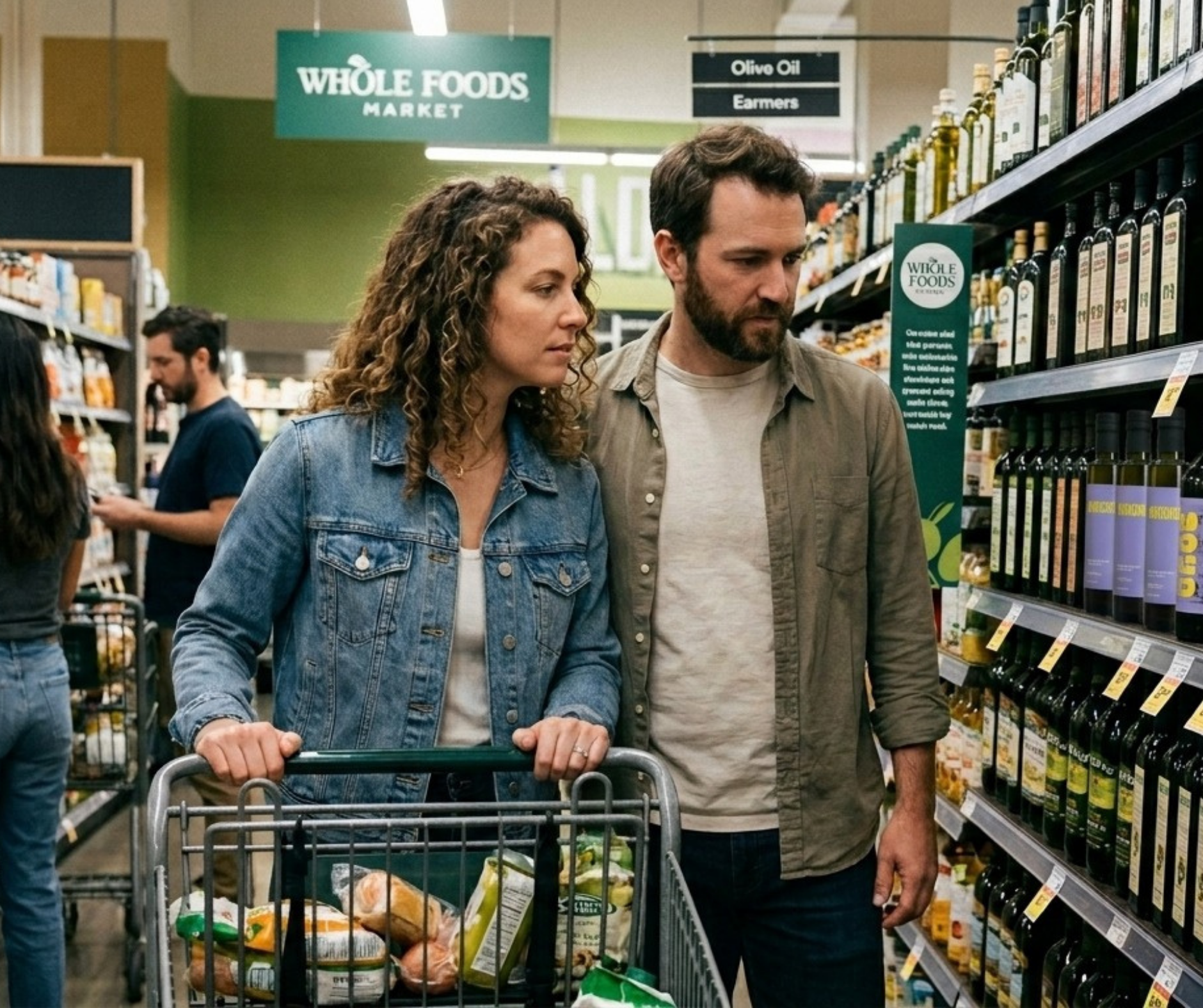
Olive oil is a cornerstone of healthy eating worldwide, celebrated for its rich flavor and powerful health benefits. But here’s an uncomfortable truth: a significant portion of what’s sold as “extra virgin olive oil” isn’t what it claims to be.
The problem? Fake or low-quality olive oil is surprisingly difficult to detect. Bottles look premium, labels sound authentic, and price doesn’t always reveal what’s actually inside. Mislabeling, blending with cheaper oils, and misleading marketing have turned olive oil shopping into a minefield for well-intentioned consumers.
If you want to ensure you’re buying genuine extra virgin olive oil the kind that delivers both exceptional flavor and real health benefits, here are 7 essential warning signs to watch for, including one persistent myth that misleads even experienced shoppers.
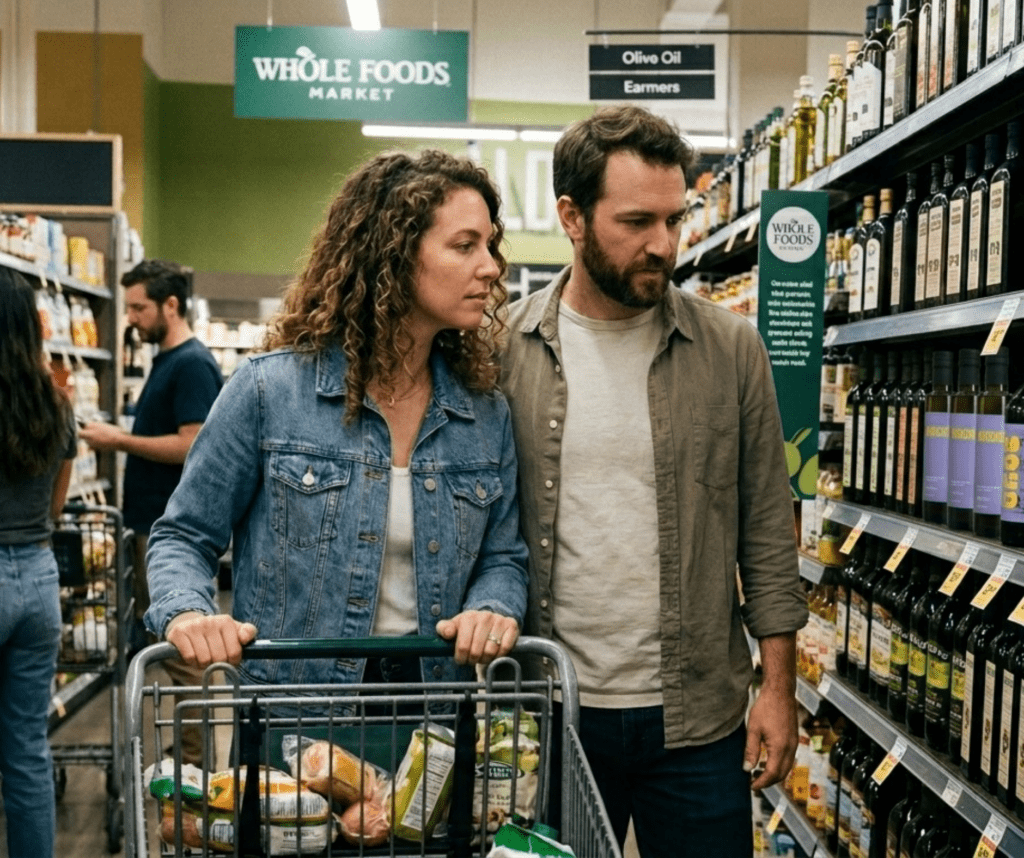
1. The Label Relies on Vague Marketing Language
One of the easiest ways to spot questionable olive oil is through the wording on the label. Terms like “pure,” “light,” or “premium” may sound appealing, but they carry no regulatory meaning and don’t guarantee authenticity or quality.
What to look for instead: Real extra virgin olive oil follows strict production standards and doesn’t need flashy marketing terms. Look for specific certifications (organic, PDO, PGI), clear origin information, and transparent production details. If the label is all style and no substance, that’s your first red flag.
2. There’s No Harvest Date Listed
Freshness is everything when it comes to olive oil quality. Unlike wine, olive oil doesn’t improve with age it deteriorates. The clock starts ticking the moment olives are pressed.
Without a harvest date, you have no way of knowing whether you’re buying oil from this season or from three years ago. High-quality producers proudly display harvest dates because they signal both transparency and confidence in freshness.
Pro tip: Look for oils harvested within the past 12-18 months for optimal flavor and nutritional value.
3. It Has No Distinct Aroma
Before you even taste olive oil, your nose should tell you something. Authentic extra virgin olive oil has a fresh, vibrant aroma. Common scent notes include freshly cut grass, green herbs, tomato leaf, artichoke, or green apple.
If your olive oil smells neutral, waxy, musty, or vaguely like crayons, something’s wrong. These are signs of oxidation, poor storage, or refined oil masquerading as extra virgin.
The test: Pour a small amount into a glass, warm it slightly with your hands, and smell. Quality oil should smell alive, green, herbs, not flat.
4. The Taste Is Flat, Greasy, or Too Smooth
Real extra virgin olive oil has character it should never taste bland. A quality oil typically offers:
- Fruitiness (green or ripe, depending on the variety)
- Bitterness (a sign of healthy polyphenols)
- Pepperiness (that pleasant catch in your throat)
If your olive oil tastes greasy, overly smooth, or completely neutral, it’s likely been refined, heavily processed, or wasn’t extra virgin to begin with. That peppery finish sometimes strong enough to make you cough slightly is actually a good thing. It indicates the presence of oleocanthal, a powerful anti-inflammatory compound.
5. You’re Relying on the Fridge Test (Don’t)
Here’s the myth that needs to die: the idea that real olive oil solidifies when refrigerated, while fake oil doesn’t.
The truth: This test is completely unreliable. All olive oils contain different ratios of fatty acids, and their reaction to cold depends on this composition not on quality or authenticity. Both genuine extra virgin oils and lower-quality oils can solidify, partially solidify, or remain liquid in the fridge.
This myth persists because it’s simple and sounds scientific. But it proves nothing. Skip the fridge test entirely and focus on the indicators that actually matter: labeling, aroma, taste, and transparency.
6. The Price Seems Too Good to Be True
Producing authentic extra virgin olive oil is labor-intensive and costly. It requires:
- Careful hand-harvesting or gentle mechanical harvesting
- Processing within hours of picking
- Cold extraction methods that preserve flavor
- Proper storage and bottling
All of this comes at a price. When you see extra virgin olive oil being sold at unusually low prices especially compared to other bottles on the shelf it’s worth questioning what corners were cut to achieve that price point.
Reality check: Cheap olive oil is rarely truly extra virgin. You don’t need to buy the most expensive bottle, but rock-bottom prices should raise suspicion.
7. The Origin Is Vague or Listed as “Blended”
Labels stating “blend of EU and non-EU olive oils” or similar generic descriptions are red flags. This wording typically indicates mass production with oils sourced from multiple countries, making traceability nearly impossible.
Why does this matter? Because it suggests:
- No accountability for quality at the source
- Inconsistent flavor from batch to batch
- Higher likelihood of mixing grades or qualities
Premium olive oils are usually single-origin and provide specific geographic information: the region, sometimes even the specific grove or estate. This traceability is a mark of pride and quality assurance.
What to look for: Specific place names (like “Kairouan, Tunisia” or “Andalusia, Spain”), estate names, or protected designation of origin (PDO) certifications.
Quality Isn’t Just Labeled It’s Proven
Understanding these warning signs empowers you to make better choices for your health, your cooking, and your overall culinary experience. Real extra virgin olive oil offers more than just a label; it delivers authentic flavor, nutritional benefits, and the satisfaction of knowing exactly what you’re consuming.
By paying attention to transparency, taste, aroma, and origin, you can confidently navigate the olive oil aisle and avoid being misled by clever packaging or marketing speak.
At Olyfo, we believe quality olive oil should be traceable, transparent, and true to its origin. Every bottle tells a story from the ancient groves of Kairouan to your kitchen and that story should be one you can trust.
Because in the end, quality olive oil isn’t just claimed. It’s proven.