British Summer Kitchen: Rethinking Olive Oil Beyond Italy and Spain
🗓 25.05.26
Walk into any UK supermarket and the olive oil aisle tells a familiar story: row after row of bottles promising Mediterranean sunshine and time-honored tradition. Italian and Spanish oils have earned their place through centuries of craftsmanship and exceptional quality. But here’s what that dominant presence has quietly overshadowed: a whole world of equally remarkable olive oils waiting to be discovered.
Tunisia, sitting just across the Mediterranean, has been perfecting olive oil for over two millennia producing some of the world’s most exceptional oils that most British kitchens have simply never encountered. As summer transforms our cooking habits toward lighter, fresher, more spontaneous meals, it’s the perfect moment to expand our horizons and discover what else is out there.
1. Breaking the “Italian/Spanish Olive Oil” Mindset
Italian/Spanish olive oils have set a high standard, and rightly so. The expertise, tradition, and quality they represent deserve recognition. But somewhere along the way, that excellence became synonymous with exclusivity as if great olive oil could only come from one place.
The reality is far more interesting.
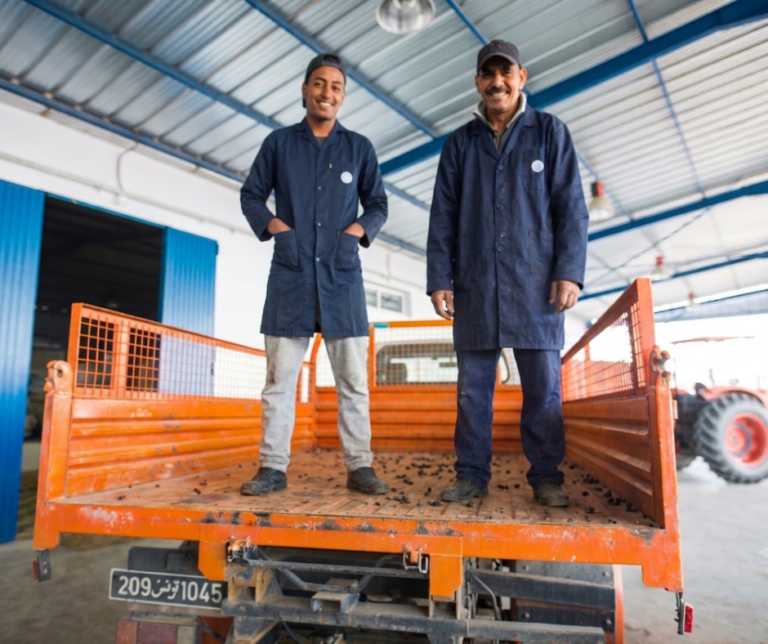
Tunisia isn’t a newcomer experimenting with olive cultivation it’s home to trees that were already ancient when the Romans arrived. The country ranks among the world’s top producers, with expertise honed across countless generations. Yet British consumers remain largely unaware, simply because Italian/Spanish brands arrived first and built strong recognition over decades.
The shift is beginning. A new generation of food-conscious consumers those who read labels, seek provenance, and value authenticity are asking better questions. Where exactly does this oil come from? What varieties of olives? What’s the story behind the bottle? And crucially: what flavors am I missing by always choosing the familiar?
Tunisian olive oil answers these questions with exceptional quality and compelling value. The oils are cold-pressed, often organic, and produced using methods that honor traditional wisdom while meeting modern standards. For distributors and retailers, this represents genuine potential: premium quality at competitive pricing, with origin stories that resonate with today’s transparency-focused consumers.
It’s not about choosing one origin over another, it’s about recognizing that excellence in olive oil, like excellence in wine or cheese, comes from many places. Each brings something unique to the table.
2. Discovering Chemlali & Chétoui: Tunisia’s Dynamic Duo
Here’s where it gets genuinely interesting. Just as wine lovers distinguish between varietals, olive oil deserves the same appreciation. Tunisia offers two cultivars that deliver completely different experiences and understanding them opens up new possibilities in the kitchen.
Chemlali is the elegant introduction: refined and approachable with a delicately fruity profile, hints of almond and fresh grass, a silky texture, and a gentle sweetness that never overwhelms. This is the oil for dishes where you want subtle enhancement rather than bold statement. Think of it as the thoughtful companion that makes everything else shine brighter.
Chétoui takes a different approach confident, expressive, full of character. It arrives with intensity: robust fruitiness that develops into a distinctive peppery finish, the kind that catches pleasantly at the back of your throat. There’s complexity here, with herbaceous notes and a slight bitterness that stands up beautifully to strong flavors.
The beauty? You don’t choose between them, you use both, strategically.
A bowl of heirloom tomatoes? Chemlali lets their natural sweetness speak. Charred lamb chops off the barbecue? Chétoui matches that intensity with its own powerful character. It’s the difference between a whisper and a conversation, and your kitchen benefits from having both options available.
This isn’t about replacing what you already love, it’s about expanding your repertoire. Once you start thinking in terms of varietals, the entire category becomes more interesting. You stop reaching for generic “extra virgin olive oil” and start considering: what does this dish need? Subtlety or strength? Background or foreground?
That shift from olive oil as pantry staple to olive oil as flavor tool changes everything.
3. Bringing Tunisian Olive Oil into the British Summer Kitchen
British summer cooking has its own wonderful rhythm: spontaneous, sun-driven, built around whatever looks good at the market and whoever’s coming round later. It’s less about formal dinners and more about quick assemblies, things thrown together on garden tables, food that doesn’t demand much but delivers generously.
Tunisian olive oils fit this moment perfectly.
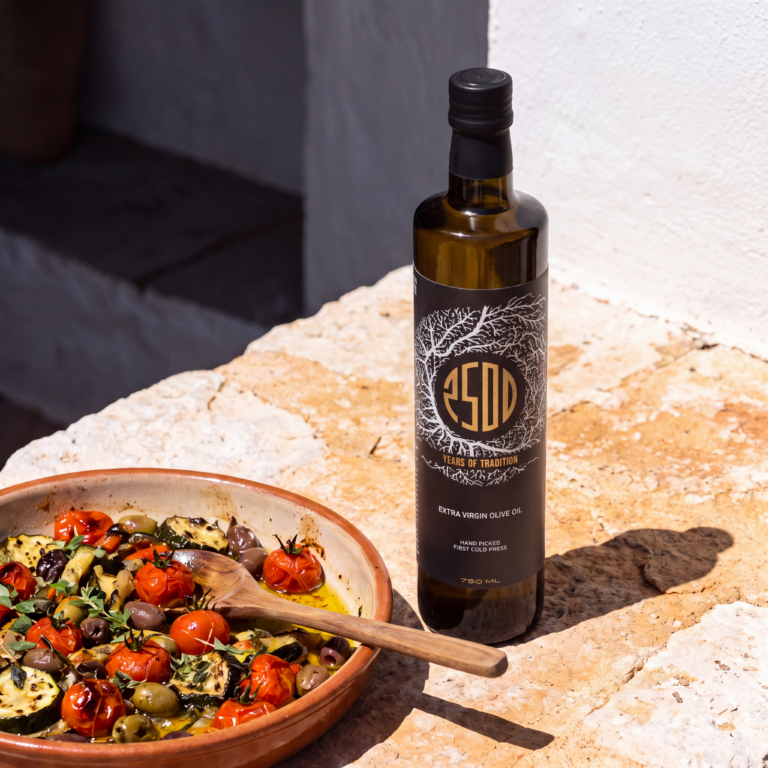
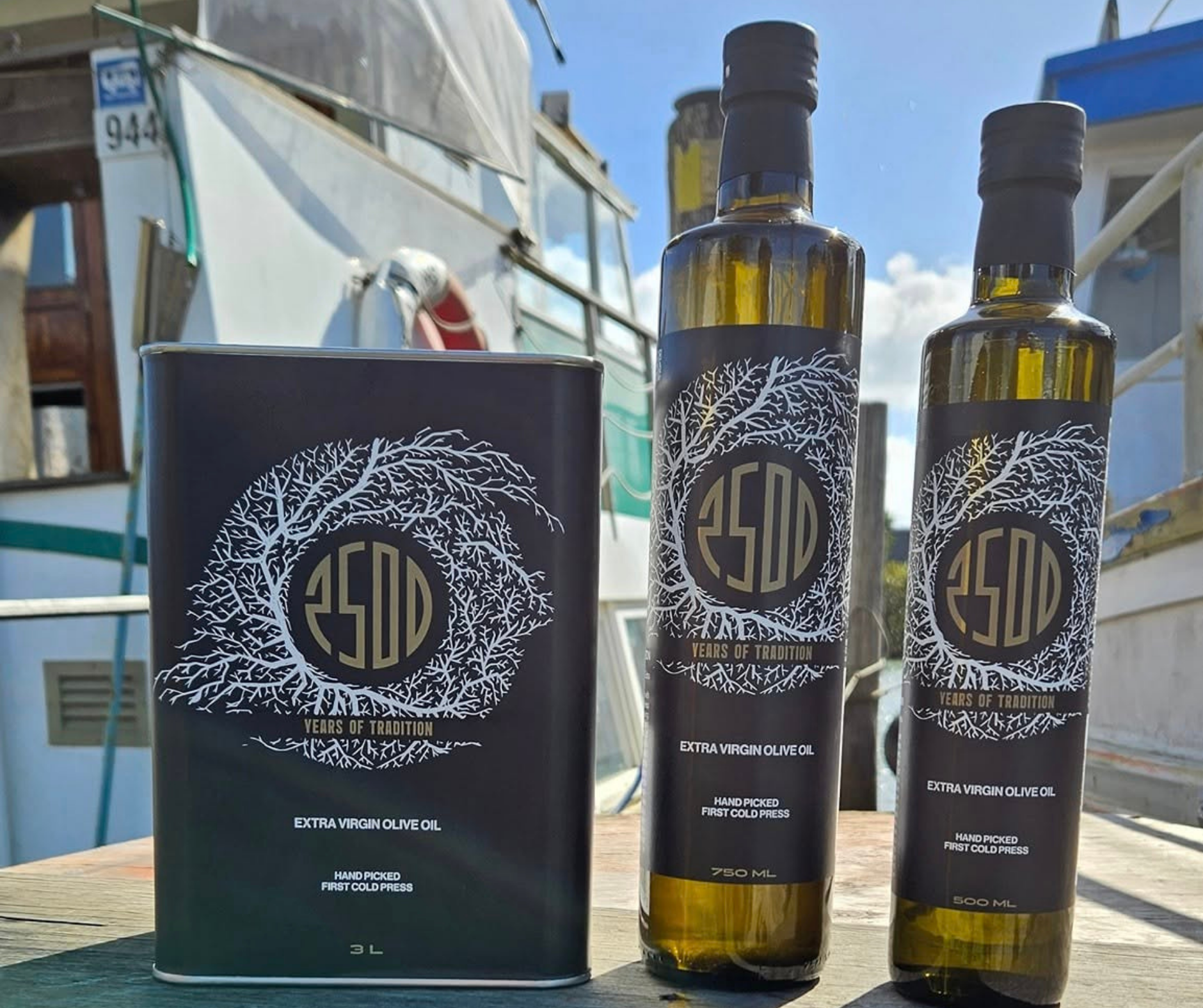
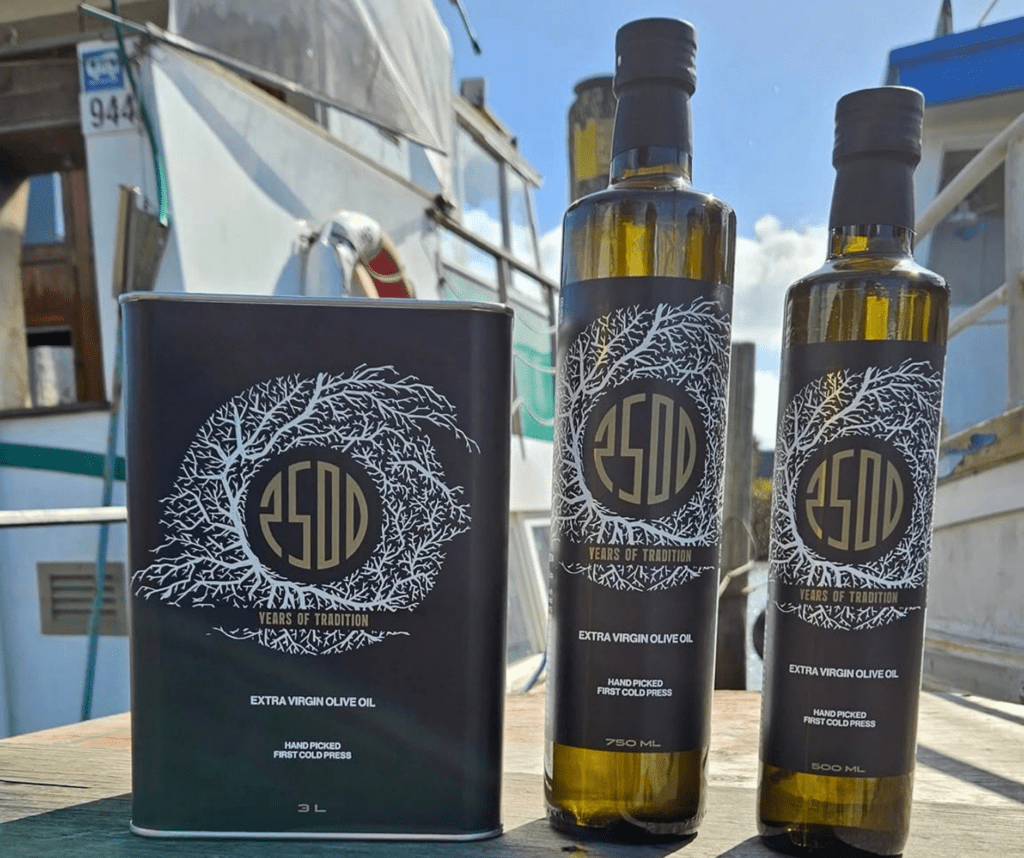
Panzanella takes on new dimension when you use Chemlali (2500 Years of Tradition The Gold Organic). The bread soaks up that gentle fruitiness, tomatoes turn sweeter, and the whole dish gains subtle elegance without losing its rustic soul. Add torn basil, chunks of cucumber, and you’ve created something that feels both familiar and excitingly different.
Pan-seared sea bass with samphire that quintessentially British summer plate gains Mediterranean sophistication with a generous drizzle of Chétoui (2500 Years of Tradition the Origins) just before serving. The oil’s peppery character complements the fish beautifully while enhancing the samphire’s natural brine. Suddenly you’re eating something that feels restaurant-quality, achieved with nothing more than good ingredients and thoughtful oil choice.
Garden party spreads transform entirely. Hummus becomes memorable when you create a well in the center and fill it with Chétoui, letting guests drag their bread through that aromatic pool. Labneh gets luxury treatment with Chemlali and a scattering of za’atar. Even simple tapenade gains new dimension when finished with an oil that shares its North African heritage.
The point isn’t complicated recipes. It’s that summer cooking thrives on quality ingredients used simply and olive oil, when chosen thoughtfully, elevates rather than just accompanies.
For breakfast: Toast topped with mashed avocado, flaky sea salt, and Chemlali instead of butter. The oil adds richness without heaviness.
For lunch: A platter of grilled vegetables; courgettes, peppers, aubergine still warm, drizzled with Chétoui and scattered with mint. Simple perfection.
For dinner: Burrata torn open, surrounded by ripe peaches, finished with Chemlali and cracked black pepper. Sweet, creamy, fruity summer on a plate.
These recipes work with any good olive oil, of course. But there’s genuine pleasure in discovering how different oils bring different dimensions to familiar dishes. The oils integrate seamlessly into how we already cook, they simply expand what’s possible within that comfortable framework.
The British summer kitchen thrives on discovery: new ingredients from the market, unexpected flavor combinations, the pleasure of trying something unfamiliar and finding it works beautifully. Tunisian olive oil fits naturally into this spirit not as a replacement for beloved classics, but as a welcome addition to our culinary vocabulary.
Chemlali and Chétoui offer something genuinely different: distinct flavor profiles shaped by unique terroir and ancient cultivation traditions. They’re not asking you to abandon anything you love. They’re simply inviting you to explore more, taste more, and discover that the world of exceptional olive oil is richer and more diverse than the supermarket shelf might suggest. In a season built around simplicity and quality, that’s an opportunity worth taking.