When the Last Olive Basket Descends and Mills Fall Silent: Tunisia’s Unseen Spring Symphony
🗓 02.05.26
When the last olive basket is carried down from the ancient groves and the mills fall silent under the crisp winter sun, most people assume the hard work is over. But in Tunisia, the world’s second-largest olive oil exporter, the real marathon begins. With over 70 million olive trees carpeting 1.8 million hectares from the fertile coastal plains of Kairouan to the sun-baked semi-arid Sahel, these groves represent not just a crop, but a cultural and economic lifeline. Tunisian growers, many third- or fourth-generation stewards, pivot immediately into a critical spring window, a mere 3-4 months, that will dictate the quality, yield, and flavor profile of next season’s harvest. Amid climate challenges like erratic rains and warming trends, this post-harvest phase is where resilience is forged. Here’s what’s unfolding right now, behind the groves, as growers sow the seeds of tomorrow’s liquid gold.
70M+ Olive trees in Tunisia
1.8M Hectares of grove land
90% Dry-farmed orchards
Post-Harvest Recovery: The Tree Has Given Everything, Now It Must Be Given Back To
After the frenzy of harvest, olive trees stand exhausted, having poured their nutrient reserves into the fruits that yield Tunisia’s renowned oils. In the country’s predominantly dry-farmed orchards, where 90% rely on rainfall alone, this depletion hits hardest. Soils here, often sandy and low in organic matter with poor water-holding capacity, can’t afford the loss. Growers respond with urgency: mechanical tillage breaks up compacted earth, improving root access to moisture.
Targeted organic amendments follow well-rotted sheep or goat manure and compost applied in late winter (December-February) to release nutrients slowly through spring rains. By early March, green manures like vetch or barley are sown between rows and incorporated, fixing nitrogen naturally while suppressing competing vegetation. “The care you give the tree in winter and spring is the oil you will taste next autumn,” as one Kairouan grower puts it. The principle is unyielding: every kilogram of fruit and pruned wood hauled away must be replenished. In a nation producing 250,000-340,000 tons of oil annually, this ritual isn’t optional, it’s the cornerstone of sustainability, preventing soil degradation and maintaining the high polyphenol levels that define Tunisian extra virgin olive oil’s peppery bite and health benefits
Pruning Season: The Knife Is the Most Powerful Tool in the Grove
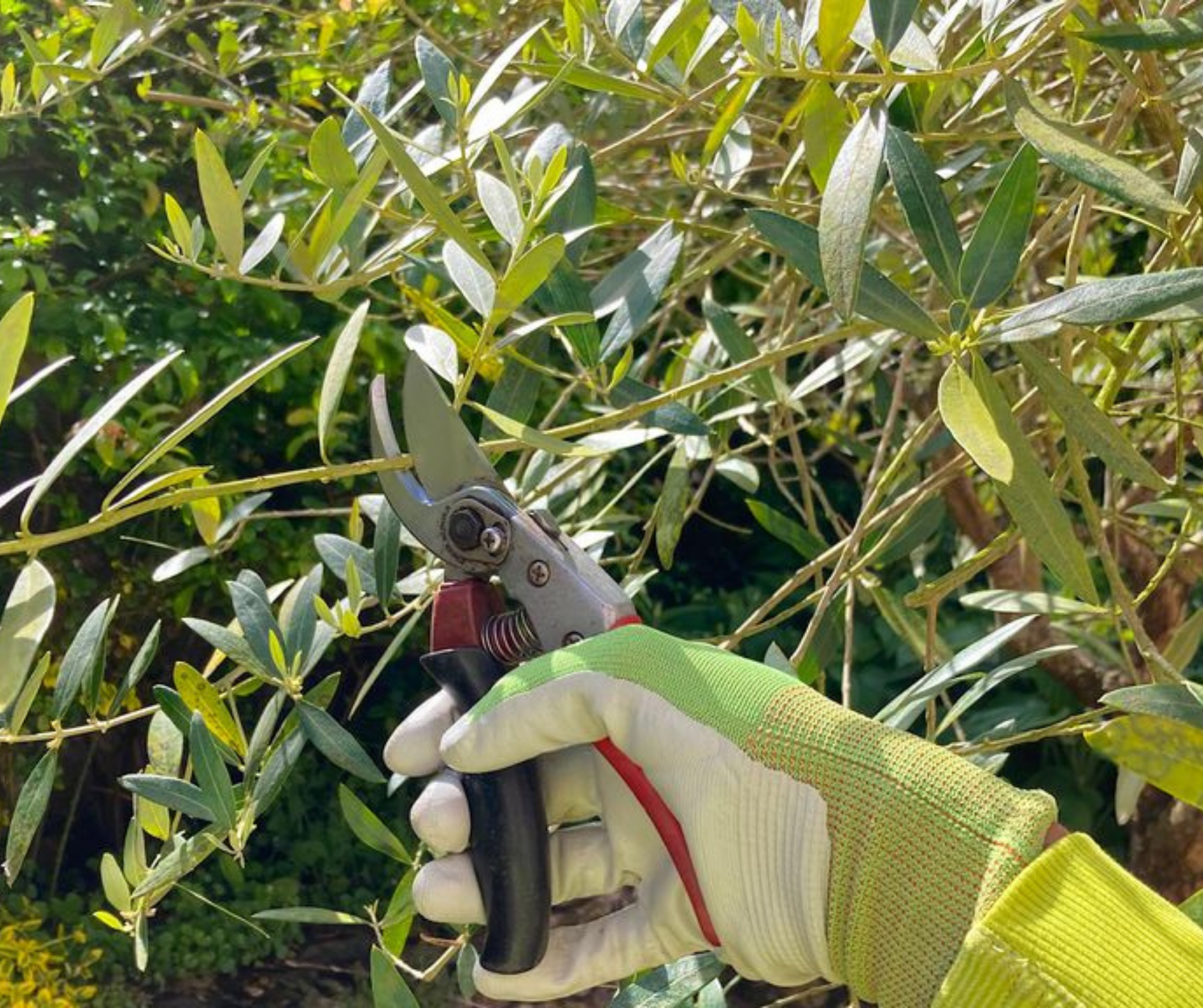
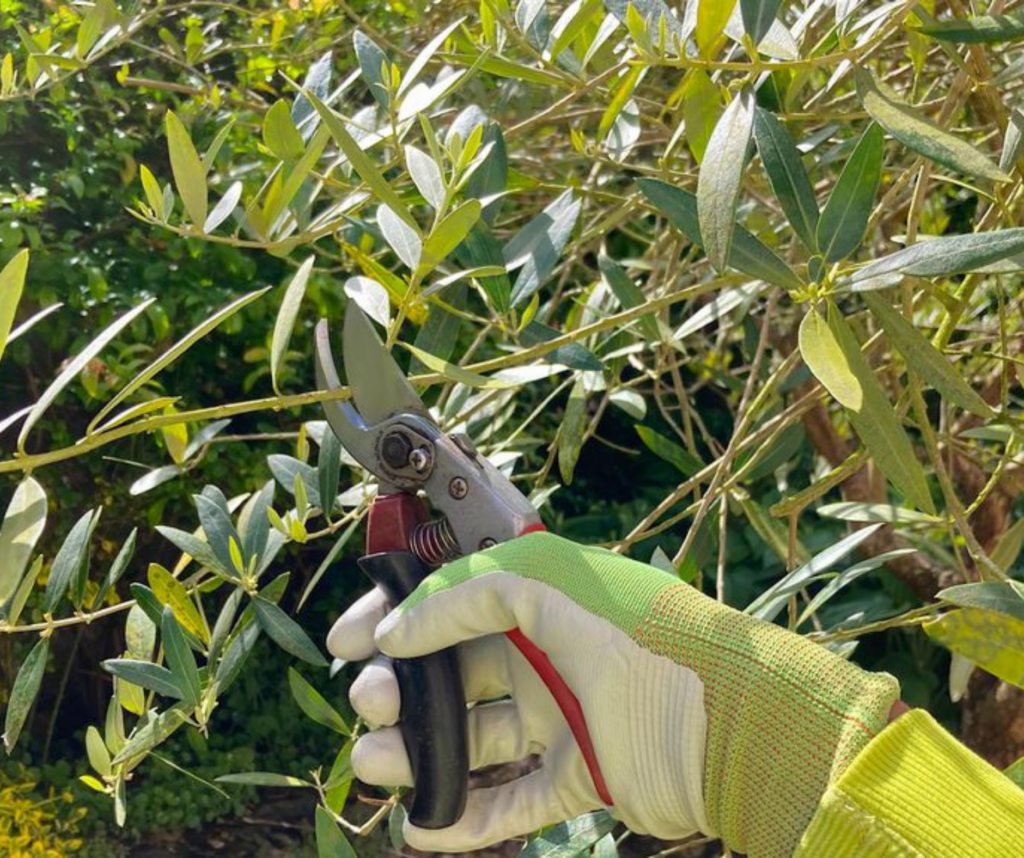
Production pruning must wrap before flowering, a deadline sharpened by Tunisia’s Mediterranean climate where buds swell by late March. This isn’t random snipping; it’s precision surgery. Workers target exhausted or dry wood, suckers from the base, and dense interior shoots, opening the canopy to sunlight, air circulation, and pollinator access. The golden rule: olives fruit on the previous year’s wood (known as “tiroir” or drawer branches). Every cut weighs productive potential against renewal a craft honed over decades, often passed down family lines.
From Sfax to Kairouan and Zaghouan high-density groves, teams prune 200-300 trees daily, focusing on vase-shaped forms that maximize light penetration. Residues? Zero waste. Shredded on-site with flail mowers into fine mulch, they return carbon and nutrients directly to the soil, mimicking nature’s cycle and boosting microbial life. This practice not only cuts costs (no hauling fees) but enhances biodiversity, drawing beneficial insects that curb pests. Done right, pruning can boost yields by 20-30% while yielding oils with superior aroma compounds like those in Tunisia’s award-winning Chemlali variety.
Disease & Spring Grove Preparation: Guarding the Green, Spring Threats and the Art of Prevention
Spring’s gentle warmth, mingling with harvest-season moisture, awakens peacock spot (Spilocaea oleaginea), Tunisia’s most dreaded fungal foe. This leaf-spot pathogen defoliates trees, starves blooms, and slashes yields by up to 50% in wetter years. In the Sahel’s arid south, it’s less rampant, but Kairouan growers treat it as public enemy number one. Defense relies on cultural practices: post-pruning applications create an open canopy that slashes humidity and airflow, naturally drying leaves and thwarting spore spread. Selecting resistant varieties like Chetoui and Chemlali, common in Kairouan, adds inherent protection, while timely debris removal prevents overwintering.
With threats tamed, April shifts to ground clearing, mowing cover crops to curb competing vegetation for scarce water and nutrients. Organic foliar feeds from seaweed extracts, compost teas, and micronutrient-rich rock dusts (boron, zinc from natural sources) follow, applied at bud-break to boost vegetative growth and flower set. In Kairouan’s rainfed plots, where soil moisture dips below 10%, these natural boosts can mean the difference between a bountiful 2027 crop and a lean one. Every action compounds: healthier leaves mean better photosynthesis, fuller blooms, and oils richer in oleic acid and antioxidants.
“In the Tunisian grove, spring is not a rest after harvest, it is the sowing of the next harvest.”