Zero-waste olive oil: what happens to the leaf, stone, and pomace after pressing?
🗓 30.12.25
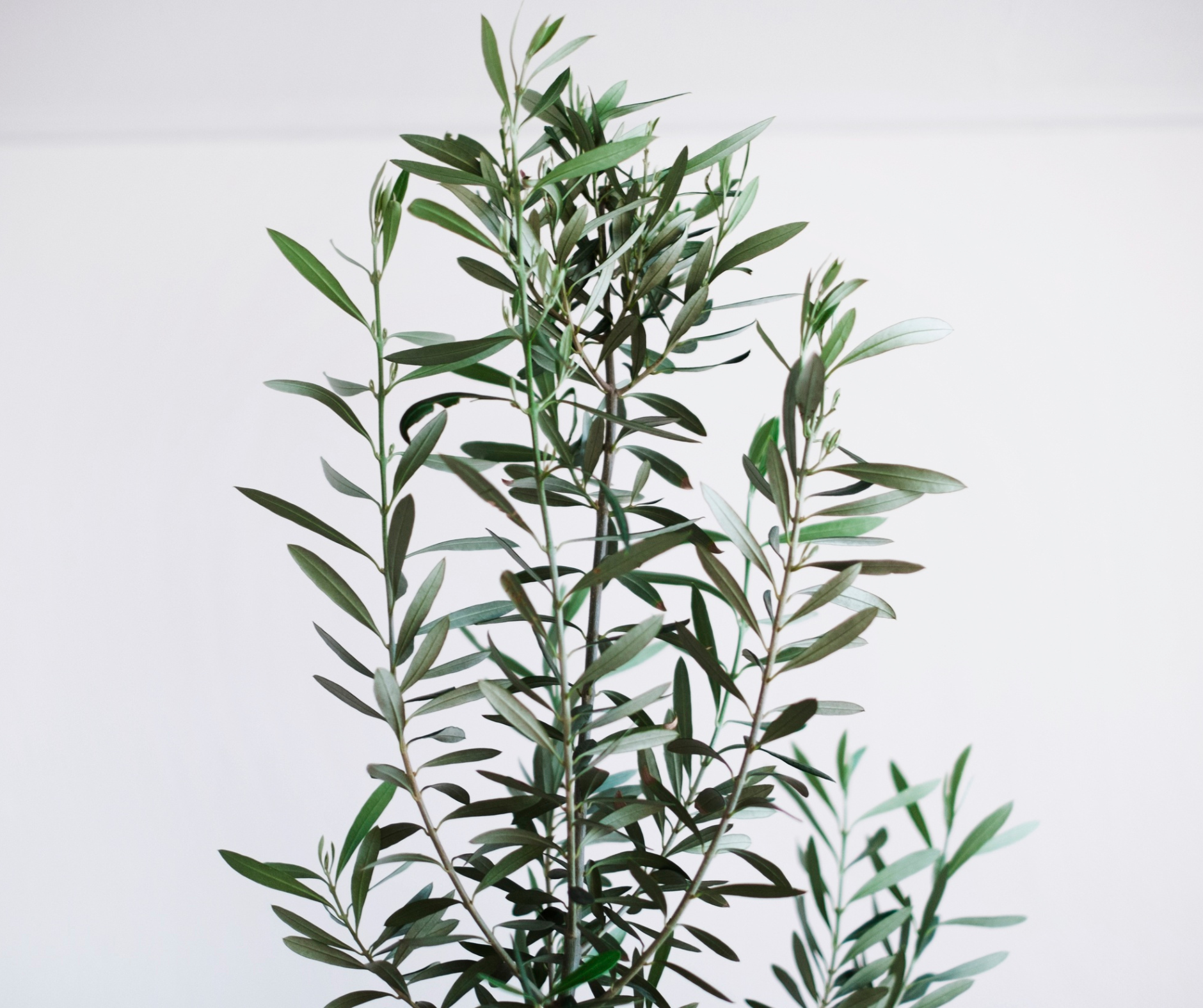
When most people drizzle extra virgin olive oil over a salad, they see only the golden liquid in the bottle not the leaves, stones, and pomace left behind after pressing. Zero-waste olive oil production is changing that narrative, transforming every part of the olive into energy, nutrients, or new materials instead of waste. At OLYFO, this circular approach is deeply rooted in Mediterranean heritage, respect for the land, and the growing demand for sustainable, traceable food. Olive oil’s journey doesn’t end with its health benefits and rich flavor; it continues through the thoughtful reuse of its by-products, where leaves, pits, and pomace each find a purpose benefiting both the environment and the communities that cultivate this timeless fruit.
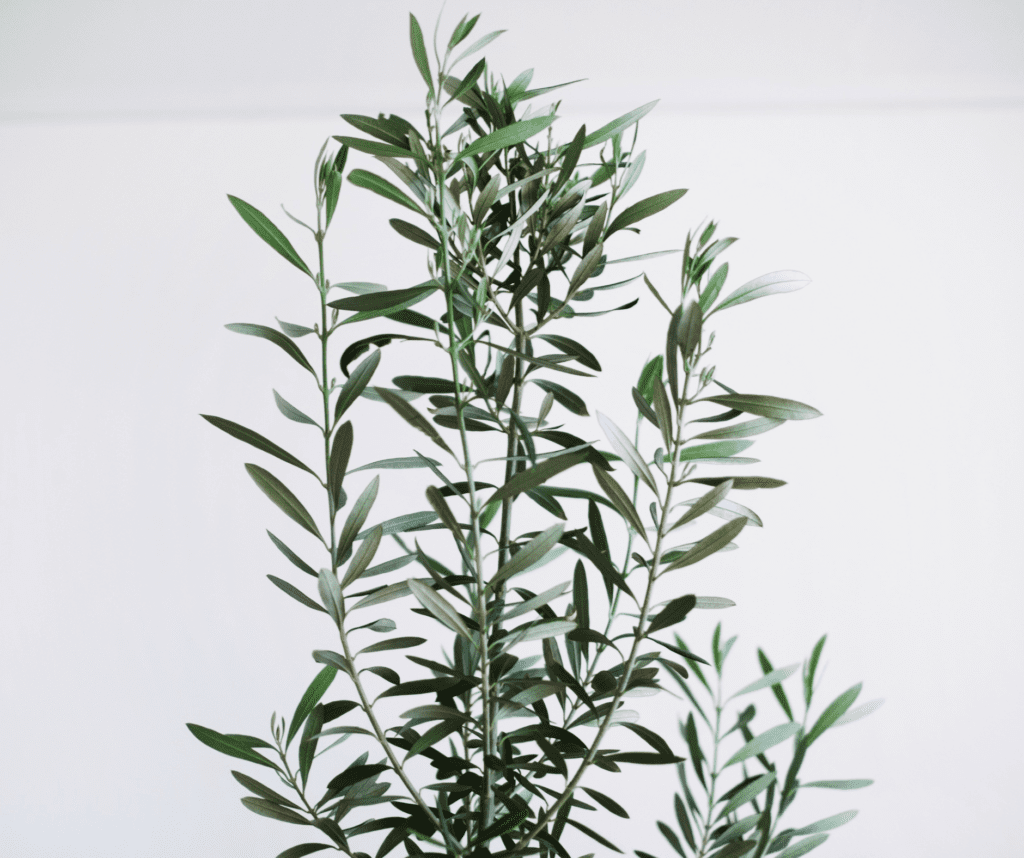
Olive Leaves: Polyphenol-Rich “Waste” Turned Resource
At the mill, olive leaves are removed during cleaning and sorting and were once considered a low-value by-product. Today, research reveals that these leaves are exceptionally rich in polyphenols and antioxidants, particularly oleuropein, known for supporting heart health and immunity. These valuable compounds can be extracted for use in functional foods, nutraceuticals, cosmetics, and animal feed, transforming what was once waste into a resource. At OLYFO, efforts are underway to develop herbal teas from olive leaves in the future, extending their value beyond the grove, while any remaining fibrous material is composted or co-digested to create natural fertilizers and biogas. This approach closes the loop in sustainable farming, ensuring olive leaves contribute to both human well-being and environmental health.
Olive Stones: Natural Biofuel and Eco-Material Base
The humble olive stone the hard pit at the heart of each fruit is proving to be one of the most versatile by-products of olive oil production. Thanks to its high energy content and low ash, olive stones can be crushed and used directly in biomass boilers or transformed into eco-friendly biofuel pellets, providing clean, renewable heat for mills, homes, and nearby industries. Beyond energy, innovators are grinding pits into fine powders for use in biocomposites, bio-based packaging, and even natural cosmetic exfoliants, helping replace fossil-based plastics and reduce overall carbon footprints. By repurposing olive stones, OLYFO minimizes waste and carbon emissions, ensuring every part of the olive is valued while, in parallel, the company is also working toward the future development of olive-leaf herbal teas, reinforcing its broader zero-waste and sustainability vision.
Pomace and Wastewater: Turning Challenges into Opportunities
Olive pomace the dense mix of pulp, skin, and fragments of pits left after pressing is the largest by-product of olive oil production and was once a major environmental challenge. Today, within a zero-waste and circular framework, pomace is recognized as a valuable resource: it still contains residual oil that can be gently recovered for culinary or cosmetic uses, while the remaining material can be transformed into animal feed, compost, biochar, or bio-based materials. Increasingly, pomace is also used in anaerobic digestion and waste-to-energy systems, producing biogas, electricity, and heat. In parallel, advanced treatment of olive mill wastewater allows water recovery and the concentration of valuable organic matter, moving mills toward near-zero discharge. At OLYFO, these efforts reflect a broader sustainability vision alongside future plans to develop olive-leaf herbal teas ensuring that every part of the olive contributes to a truly circular olive oil ecosystem.