The Harvest Date Myth: Why “Best Before” Still Matters More Than You Think
🗓 02.05.26
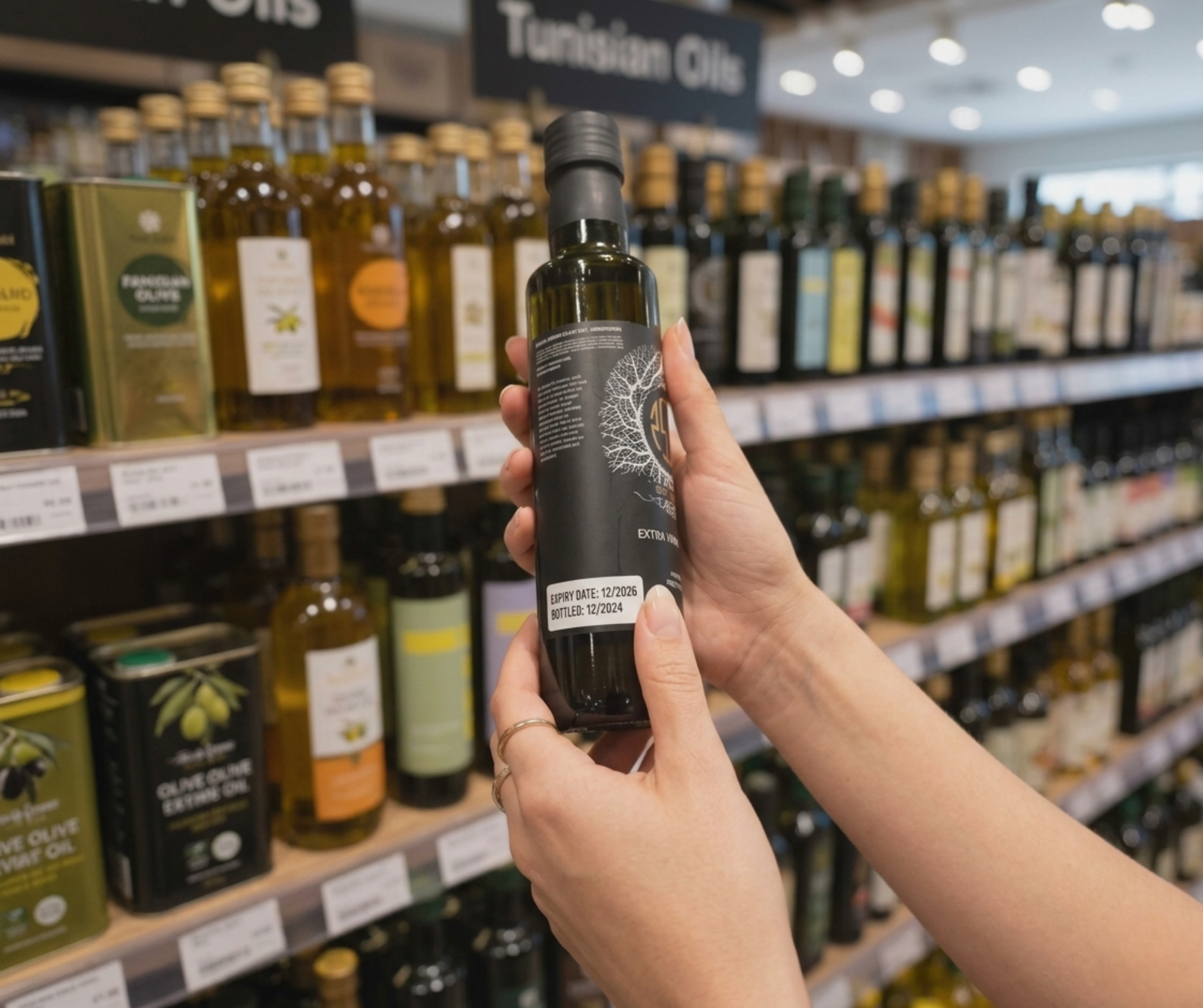
In recent years, the olive oil world has pushed one idea aggressively: “ignore the best before date; only the harvest date matters.”
While this sounds logical, it’s also incomplete and sometimes misleading. For buyers, importers, and even everyday consumers, the “best before” date remains one of the most practical and reliable indicators of quality, when used correctly.
Understanding how to read it properly can help you avoid poor-quality oils and choose producers who truly control freshness from grove to bottle.
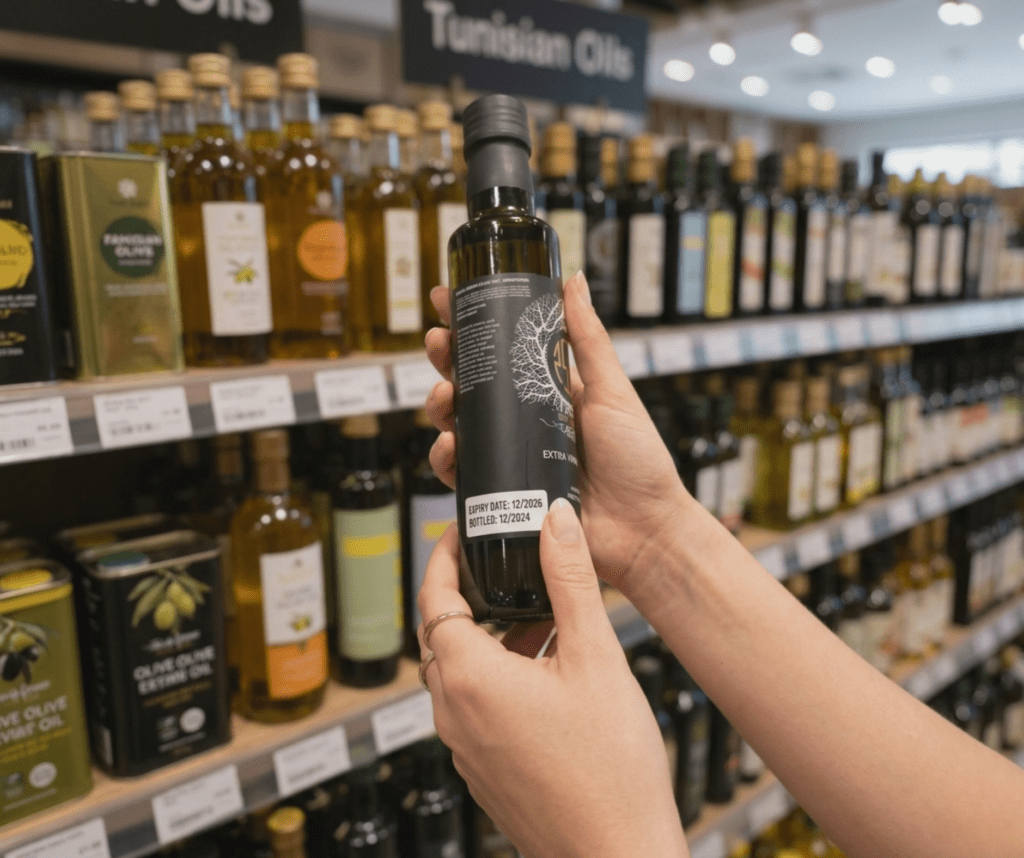
1. The Misunderstood Role of the “Best Before” Date
The “best before” date is often criticized because it is linked to bottling rather than harvest. But that’s exactly what makes it powerful.
A serious producer doesn’t randomly assign this date. It reflects:
- The expected stability of the oil
- The quality of storage conditions
- The producer’s confidence in shelf life
In other words, it is a commitment.
A short or carefully calculated “best before” date often signals:
- Fresh processing
- Controlled storage (temperature, light, oxygen)
- Professional handling from production to export
On the contrary, a poorly managed oil may still have a harvest date but no real guarantee of how it was stored afterward.
2. Why Harvest Date Alone Isn’t Enough
The harvest date tells you when olives were picked but not what happened next.
Olive oil quality depends heavily on post-harvest factors:
- Storage tanks (stainless steel vs. plastic)
- Exposure to heat during transport
- Filtration and bottling timing
- Oxygen contact
Two oils with the same harvest date can have completely different quality levels months later.
This is where the “best before” date becomes essential:
It reflects the real-life aging of the oil, not just its origin.
A well-managed oil can remain vibrant and stable far longer than a poorly stored “fresh” one.
3. How to Read the Label Like a Professional Buyer
Instead of choosing between harvest date or best before, smart buyers use both but rely on the best before date as the final quality checkpoint.
Here’s how to do it:
✔ Look at the “Best Before” First
- Prefer oils with 18–24 months shelf life from bottling
- This usually indicates high-quality oil with good stability
✔ Check Producer Transparency
- Reliable producers are consistent and precise with their dates
- Vague or overly long shelf lives can be a red flag
✔ Evaluate Packaging & Origin
- Dark bottles or tins = better protection
- Mediterranean origins (like Tunisia) often ensure fresher supply chains
✔ Trust the Producer, Not Just the Label
A trustworthy producer manages the entire process:
from harvest → extraction → storage → bottling → export
That’s what ultimately defines quality not a single date.
The debate between harvest date and best before date is often oversimplified.
Yes, harvest date tells you when the journey started.
But the “best before” date tells you how well that journey was managed.
For buyers who value consistency, reliability, and real quality, this date is not useless it’s essential.Because in the end, great olive oil is not just about when it was made
It’s about how carefully it was preserved until it reaches you.