The 2500-Year Legacy: How Ancient Groves Naturally Support Biodiversity
🗓 26.03.26
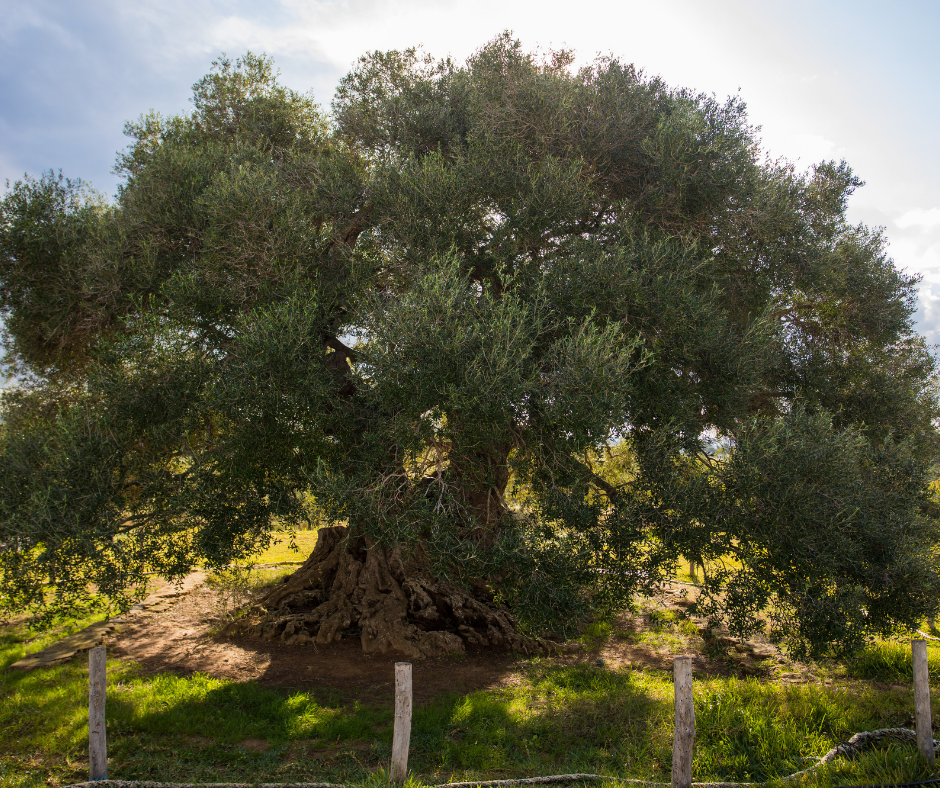
In Tunisia’s sun-baked landscapes, where OLYFO sources its award-winning 2500 Years of Tradition EVOO, ancient olive trees some over 2,500 years old from Punic times stand as living symbols of resilience, their gnarled roots weaving ecosystems that thrive amid arid challenges. These millennial groves aren’t just olive producers; they’re biodiversity powerhouses fostering insects, birds, soil life, and companion plants without chemicals. Discover how this timeless heritage delivers premium, eco-friendly oil while safeguarding nature for future harvests.
Nature’s Timekeepers: Ancient Olive Groves’ Unique Role
Ancient olive groves differ from young plantations by their uninterrupted growth over millennia, forming stable micro-ecosystems in Tunisia’s dry climates. Deep roots stabilize arid soils, prevent erosion, and foster mycorrhizal fungi partnerships that enhance nutrient and water uptake for the trees and understory plants. Hollow trunks and expansive canopies create shelters for pollinators, birds, and beneficial insects like predatory Chrysoperla carnea, while leaf litter builds organic matter, supporting endemic species unique to these veteran trees.
Biodiversity Boosters: Life in the Groves
These groves act as refuges, with layered canopies moderating extreme temperatures and humidity to protect drought-sensitive insects, bees, and small mammals. Diverse entomofauna over 17 species including natural pest enemies like Anthocoris nemoralis thrive here, pollinating wildflowers and controlling olive pests without chemicals. Understory flora, enriched by organic practices like green manure, draws birds for seed dispersal and insects for nutrient cycling, creating resilient food webs that mirror the trees’ 2500-year endurance.
Sustainable Legacy: From Groves to Global Tables
Preserving these groves sustains biodiversity while powering OLYFO’s chemical-free EVOO production, where rich soils yield polyphenol-packed oils like oleocanthal for health benefits. Their carbon sequestration and water retention combat climate change, appealing to eco-conscious importers in Europe, Africa, and beyond. Choosing 2500 Years of Tradition supports this harmony nourishing palates, ecosystems, and a tradition that outlasts empires.