Liquid Gold: Tunisia’s Precious Water in Dry-Climate Farming
🗓 23.02.26
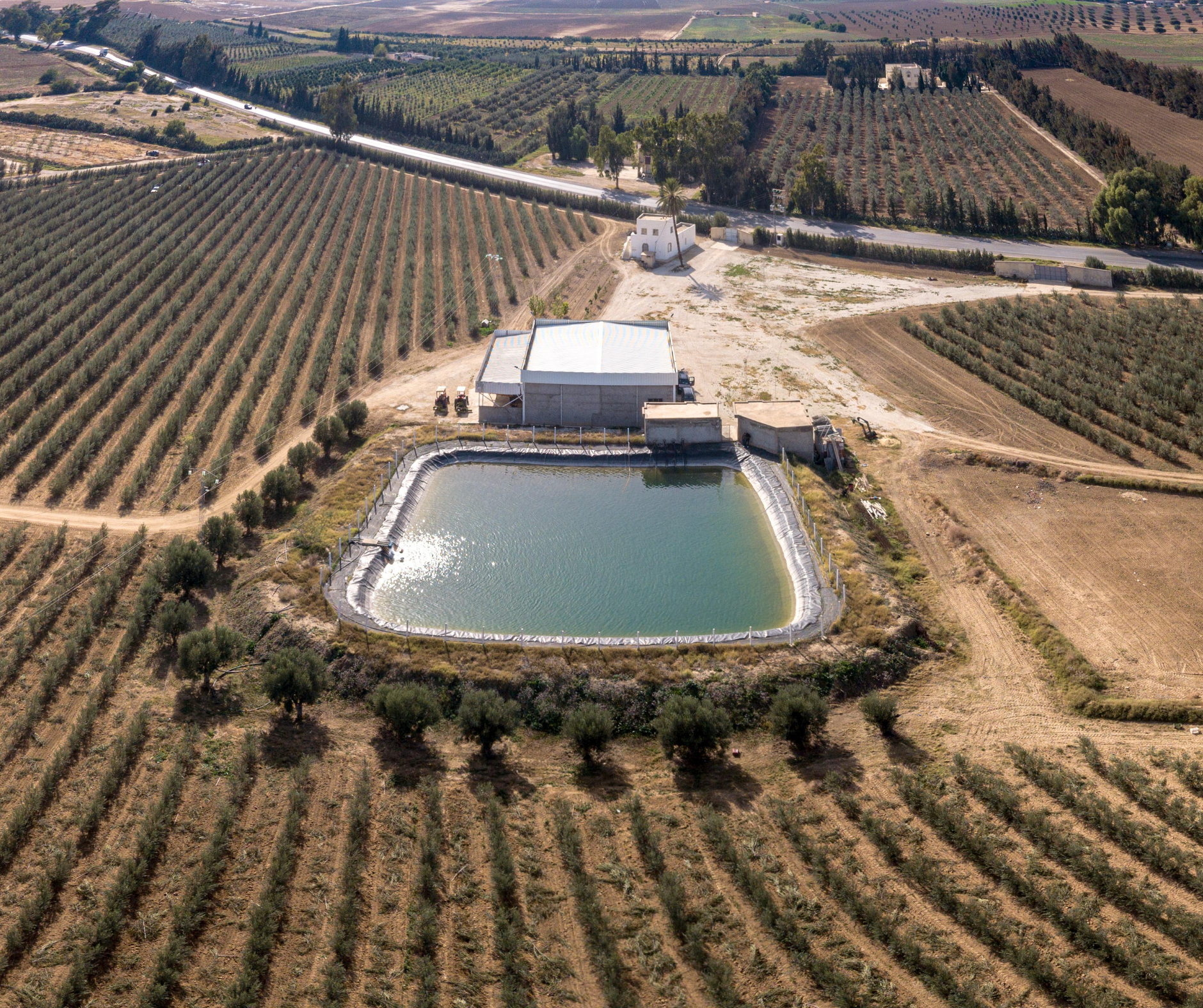
Imagine standing amid endless rows of ancient olive trees under a relentless Tunisian sun, where every drop of water feels like liquid gold dripping from a farmer’s calloused hands. In Tunisia’s arid landscapes from the sun-baked plains of Sfax to the windswept hills of Kairouan farming isn’t just a livelihood; it’s a masterful dance with scarcity. Water, our most precious resource, powers the “green gold” of olive oil production, sustaining families, traditions, and a multi-billion-dollar export industry. Yet, as droughts intensify and climate change tightens its grip, Tunisian farmers are innovating to turn this challenge into triumph. Let’s explore how they’re safeguarding liquid gold to secure a thriving future.

Drip by Drip: Mastering Deficit Irrigation in Arid Groves
Tunisia’s dry climate demands ingenuity, with annual rainfall often dipping below 200mm in key olive-growing regions. Farmers combat this by adopting deficit irrigation techniques, delivering just enough water typically 300-500mm per hectare annually to olives without waste. Drip systems channel water directly to roots, slashing evaporation by up to 60%. In Sfax, where olive groves cover vast expanses, these methods boost yields by 20-30% while preserving aquifers. Women-led cooperatives, like those in the governorate’s cooperatives, lead this shift, blending ancestral knowledge with tech to ensure every liter counts.
Harvesting Heaven: Ancient Tech Meets Fog Nets for Moisture Magic
Beyond irrigation, ancient practices meet modern science in rainwater harvesting and soil management. Traditional “matmata” terraces capture scarce runoff, while contemporary fog nets in coastal zones condense morning mist into usable water yielding up to 5 liters per square meter daily. Cover crops and organic mulching lock moisture into sandy soils, reducing evaporation and enhancing biodiversity. These strategies not only sustain olive quality key for premium extra-virgin exports but also empower rural women, who manage 40% of smallholder farms, turning water wisdom into economic resilience amid Tunisia’s variable climate.
Solar-Powered Future: Policies Turning Scarcity into Abundance
Looking ahead, Tunisia’s liquid gold revolution hinges on policy and collaboration. Government subsidies for solar-powered pumps and EU-funded smart sensors monitor soil moisture in real-time, optimizing water use. International partnerships, like those at Gulfood, spotlight these innovations, attracting investment. By valuing water as fiercely as olive oil, Tunisia’s farmers aren’t just surviving dryness they’re pioneering a model for global arid agriculture, where scarcity breeds abundance.