Tunisian Women in Agriculture: Driving Growth, Innovation, and Sustainability
🗓 21.02.26
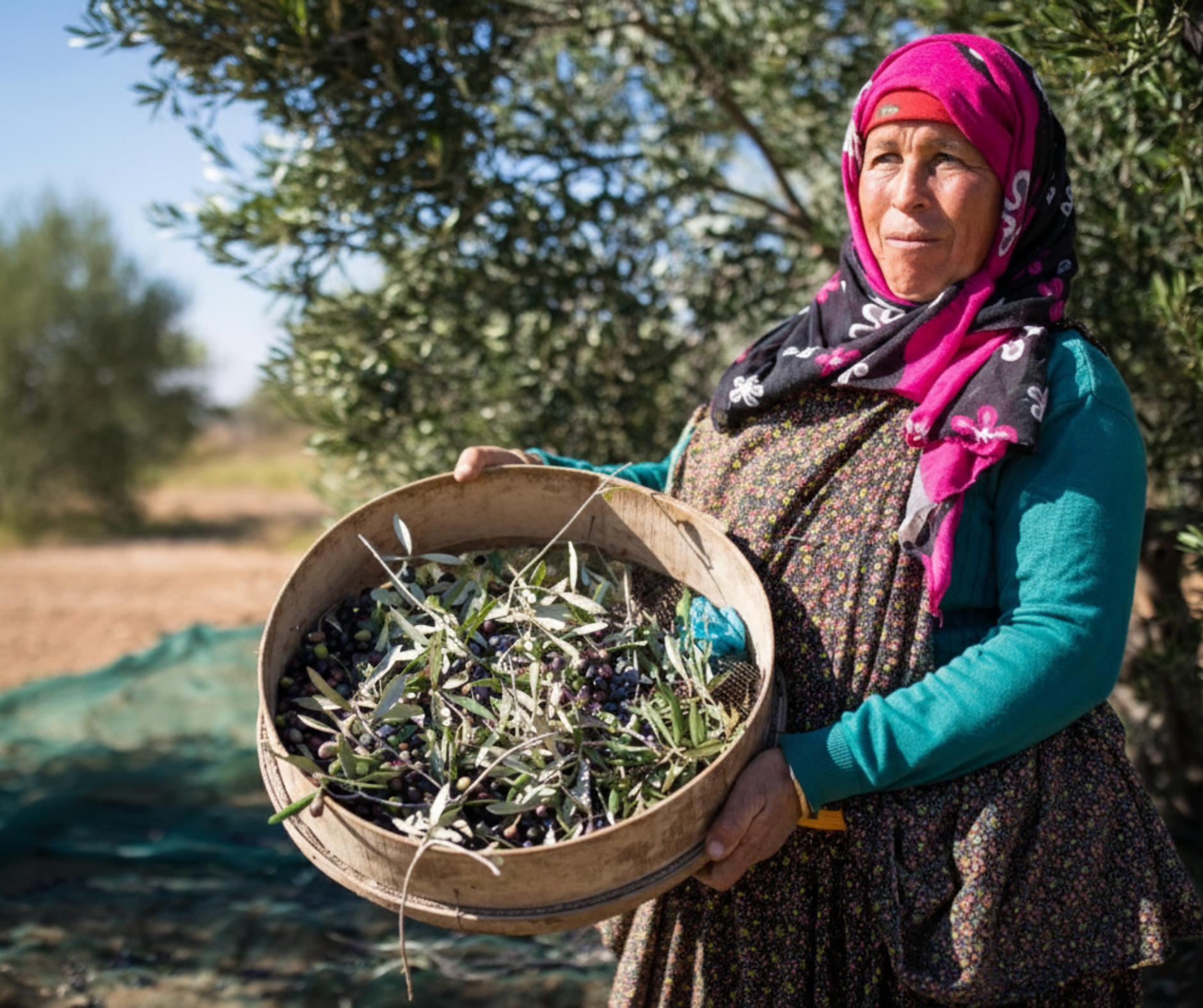
Tunisian women are dynamic drivers of the country’s agricultural transformation, combining tradition, innovation and entrepreneurship across farms, agri-food businesses and cooperatives. Their contribution extends from local markets to export-oriented value chains such as olives, dates and vegetables, making them essential actors in Tunisia’s food security and economic growth.
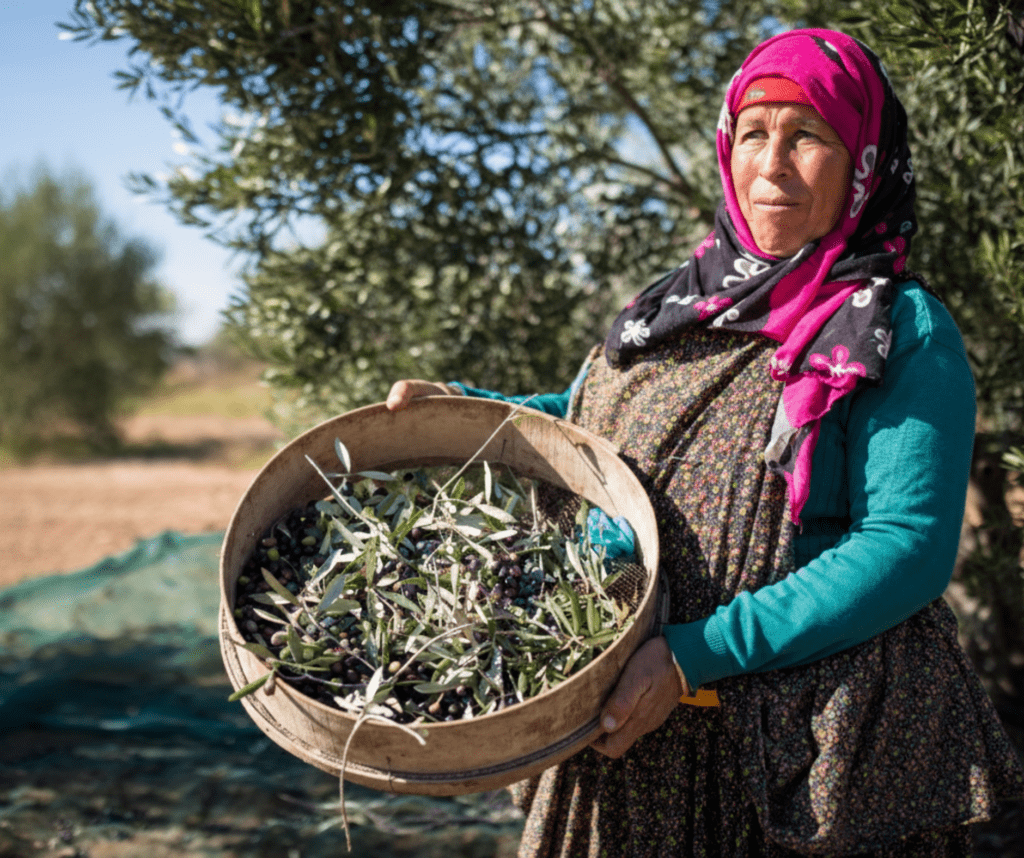
Key Statistics About Tunisian Women in Agriculture
Here are some important facts highlighting women’s impact in Tunisian agriculture:
- Women represent over 60% of the agricultural workforce in Tunisia.
- More than 500,000 women participate in farming, harvesting, processing, and agribusiness activities.
- Women contribute significantly to olive oil production, a sector that accounts for nearly 40% of Tunisia’s agricultural exports.
- Around 30% of agricultural graduates in Tunisia today are women, reflecting a growing presence in agronomy, food science, and agricultural management.
These figures show that women are not only present, they are essential to Tunisia’s agricultural success.
Roles across the value chain
Women play vital roles across Tunisia’s agricultural value chain, demonstrating expertise from field to market. In crop production, they contribute significantly to olives, dates, horticulture, and medicinal plants, supporting both domestic consumption and high-value export chains that reach international buyers. In agri-food processing, women excel at transforming raw materials turning olives into premium extra virgin olive oil, fruits into artisanal jams and dried products, and cereals into traditional baked goods that preserve cultural flavors. Many also drive marketing and local trade, selling through weekly souks, short supply chains, or branded products that emphasize terroir, regional heritage, and authentic storytelling to build consumer trust.
Entrepreneurship and cooperatives
Women are increasingly founding or co-leading agricultural cooperatives and small enterprises in Tunisia, specializing in value-added products like organic olive oil, artisanal cheeses, and traditional processed foods that elevate local ingredients to premium status. Support programs and incubators across the country empower them by providing training to develop solid business plans, enhance product packaging and branding, and access both national and international markets through targeted export opportunities. Their success stories brilliantly fuse heritage know-how such as time-honored recipes and indigenous varieties with cutting-edge marketing strategies, including e-commerce platforms, social media campaigns, and active participation in prestigious trade fairs
Innovation, skills and digital tools
Training initiatives across Tunisia empower women with essential technical skills in sustainable farming, efficient water management, stringent quality standards, and food safety protocols, enabling them to elevate their operations to professional levels. Digital platforms and mobile applications are revolutionizing their work by providing real-time market access, price transparency, seamless online sales, and robust networking opportunities that connect women farmers with buyers and peers nationwide. Meanwhile, targeted projects for youth and women champion agri-tech innovations like smart irrigation systems and climate-resilient practices, establishing them as pivotal leaders in Tunisia’s green agricultural transition.
Looking ahead: potential and opportunities
With their strong presence in production and processing, Tunisian women are exceptionally well-positioned to lead the charge on quality-driven, origin-based products and sustainable labels that captivate international consumers seeking authenticity and responsibility. Expanding access to targeted training, finance, cutting-edge technology, and professional networks will amplify their impact on productivity, rural development, and export competitiveness, unlocking new economic potential across the sector. Showcasing women-led brands, cooperatives, and farms not only builds inspiring role models but also attracts more young women to view agriculture as a modern, innovative, and deeply rewarding career path.