Olive oil beauty hacks natural, simple, effective
🗓 05.12.25

We often spend fortunes on serums and creams promising “miraculous” results, yet one of the most potent beauty elixirs might already be sitting in your kitchen cabinet.
Olive oil, especially cold-pressed extra-virgin olive oil (EVOO), is more than a cooking staple, it’s rich in monounsaturated fats, vitamin E, squalene and polyphenols that give it antioxidant, anti-inflammatory and emollient properties. These properties explain why olive oil has been used for centuries in skin, hair and nail care. Below are four practical, research-backed ways to use olive oil in your beauty routine and what to watch out for.
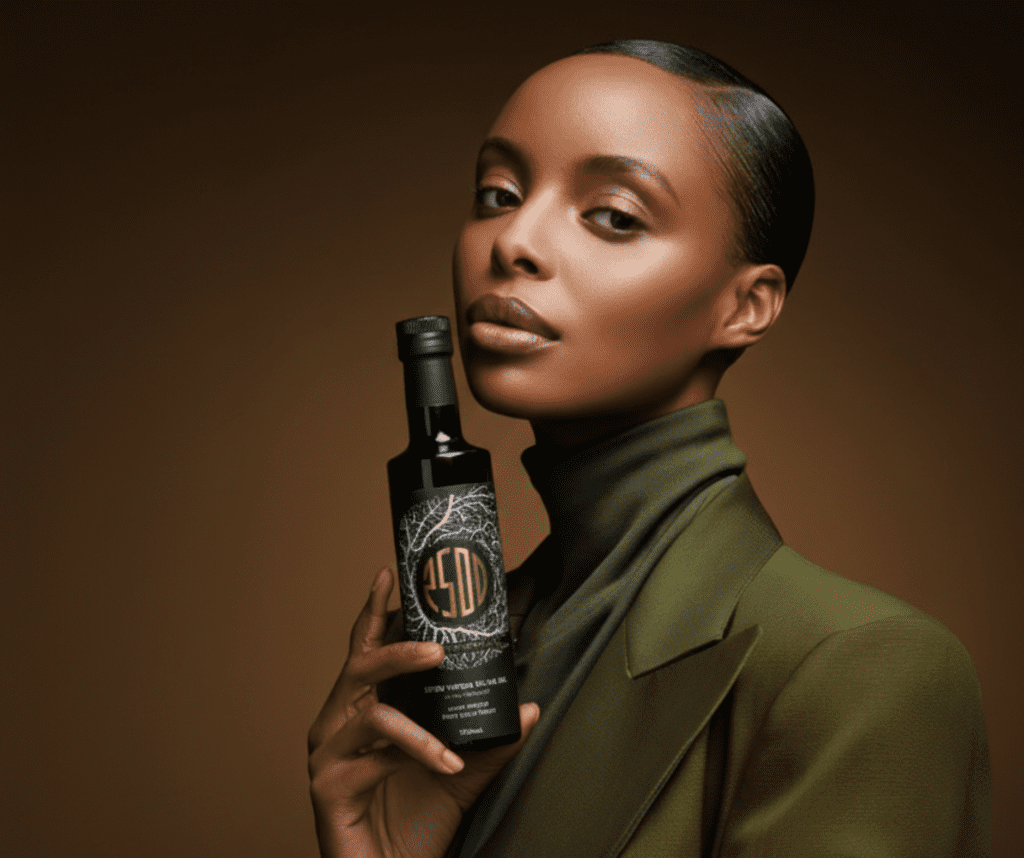
Gentle cleansing & makeup removal
Chemistry teaches us that “like dissolves like.” Because most waterproof makeup is oil-based (lipophilic), water cannot remove it. However, olive oil binds to these impurities and lifts them away. Unlike harsh synthetic removers that strip your skin, olive oil preserves natural lipids and promotes epidermal renewal (cell regeneration), making it ideal for dry or sensitive skin. Simply massage a small amount of warmed EVOO over your face to dissolve impurities, then wipe away or follow with a gentle wash. While highly effective for hydration, those with acne-prone skin should patch-test first, as heavy oils can sometimes clog pores.
Hair strengthening, shine and scalp care
Science confirms olive oil is a potent hair rescuer, not just a myth. Studies indicate that its compound oleuropein can stimulate the “anagen” (growth) phase of hair follicles, while the antioxidant hydroxytyrosol protects your scalp from aging caused by UV rays. Acting as a rich emollient, olive oil seals moisture into the hair shaft to smooth cuticles and reduce frizz. For an easy conditioning treatment, warm 1–2 tablespoons of Extra Virgin Olive Oil and massage it into your mid-lengths and ends (avoiding roots if you have oily hair). Leave it for 20–30 minutes to let the nourishing fatty acids work, then shampoo as normal for softer, stronger strands.
Deep moisturizing and barrier support
Olive oil is both an emollient and an occlusive, meaning its fatty acids and squalene soften the skin while locking in moisture making it ideal for very dry areas like hands, cuticles, heels, and elbows. Its rich antioxidant and polyphenol content provides anti-inflammatory benefits that support skin repair, which is why it works well as a nighttime spot moisturizer and as a gentle buffer during exfoliation to prevent redness and irritation. Research shows that olive oil extracts can accelerate collagen deposition in wound-healing studies, helping the skin recover faster after the abrasion caused by scrubbing. While olive oil strengthens the surface barrier and boosts hydration, it isn’t a miracle anti-wrinkle ingredient on its own, so it’s best paired with proven actives like retinoids or vitamin C when targeting signs of aging. Always choose cold-pressed extra-virgin olive oil for topical use.
DIY beauty hacks, recipes & precautions
(A) Cuticle and nail salve: mix olive oil + melted beeswax (2:1 ratio) into tins for daily rubbing.
(B) Sugar + olive oil scrub: gentle body exfoliant (use once weekly).
(C) Olive oil + sugar or coffee: face/body scrub for dry skin (avoid on active breakouts).
(D) Overnight foot treatment: thick layer of EVOO + socks for cracked heels.
Important precautions: always patch test a small area (inside wrist) 24 hours before widespread use, avoid using plain olive oil on acne-prone oiliest faces without testing, don’t apply to infected or open wounds, and choose extra-virgin, cold-pressed oil with a recent harvest date for best antioxidants.
If you have eczema, rosacea or persistent dermatitis, check with a dermatologist before regular topical use.