A Journey Through Tunisia’s Olive Varieties
🗓 17.11.25

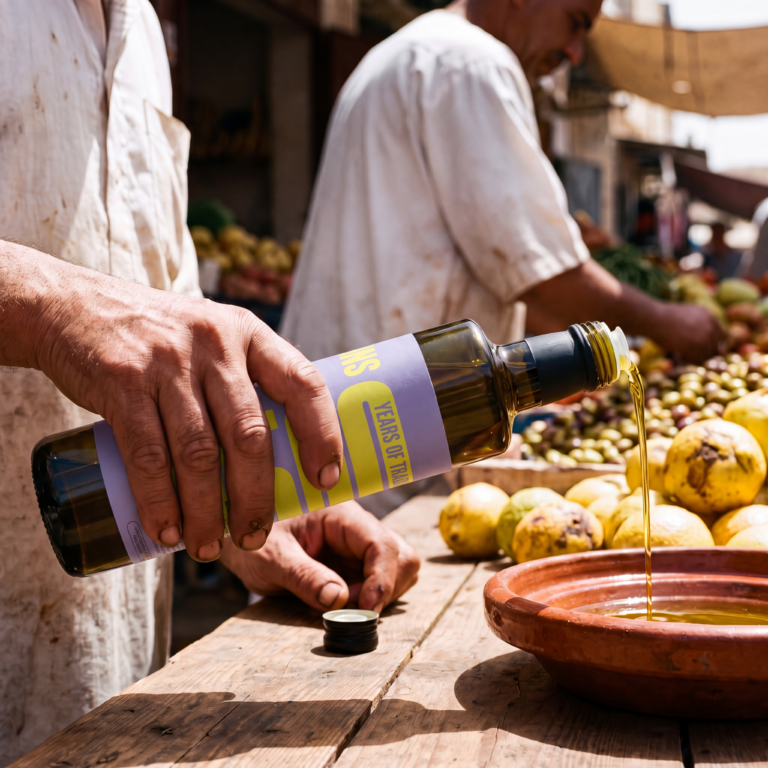
Tunisia is home to some of the world’s most diverse and flavorful olive oils, shaped by centuries of tradition and unique Mediterranean terroirs. At OLYFO, this heritage comes alive in every bottle, offering a premium taste experience that reflects the land, the climate, and the people behind it.
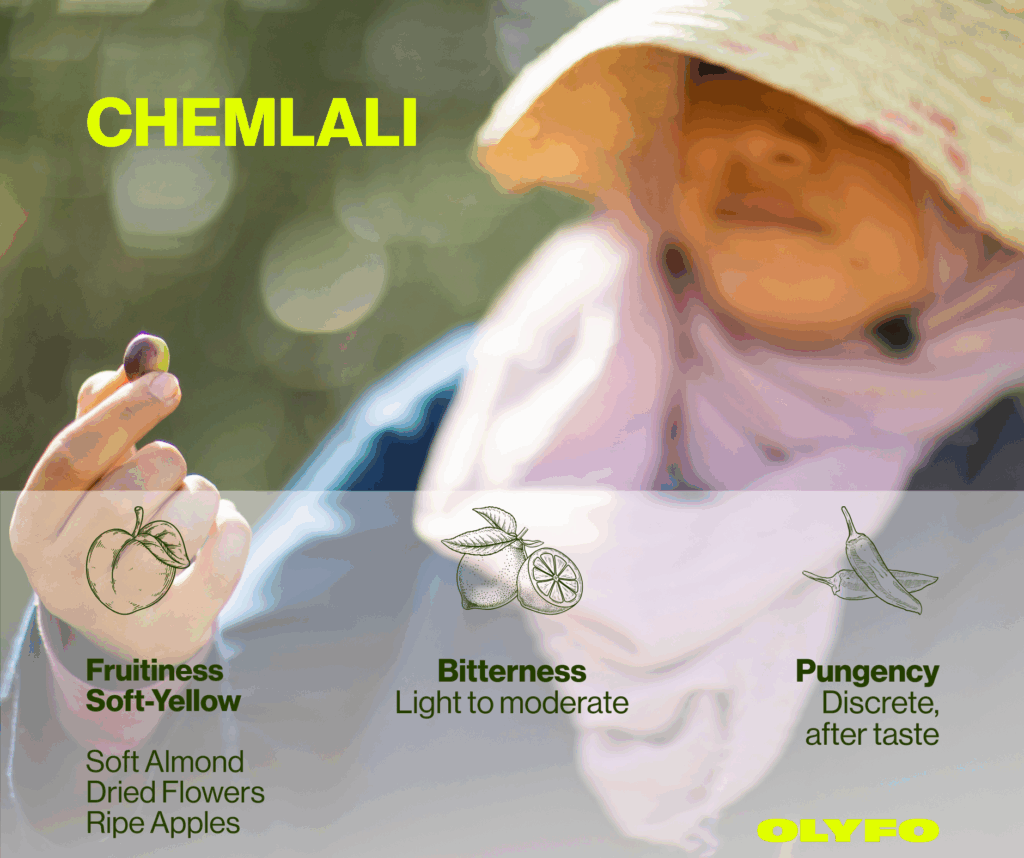
Chemlali – Tunisia’s most widespread variety, Chemlali thrives across central and southern regions. Its oils range from bright and grassy early-harvest flavors to smooth, almondy, and marzipan notes at full maturity. Chemlali is a highly vigorous tree with substantial stature and canopy development, averaging about 4.20±0.45 meters in height and 4.75±0.79 meters in canopy diameter, and covering roughly 51±17% of ground area with its foliage. Its oil shows an oleic acid content of 61.72%—lower than Chétoui and several other cultivars—but compensates with one of the highest recorded total polyphenol levels at about 861.9 ppm, supporting freshness, stability, and a lively sensory profile. Free acidity is around 0.29, squarely within extra-virgin criteria, while the extracted oil appears clear and yellowish-green in the glass. Agronomically and economically, Chemlali is a strong performer: it delivers the highest measured oil-density performance index (PEhuile ≈ 0.63±0.39 kg/m³) among Tunisian varieties and achieves robust orchard output near 2.4 tons per hectare.
Chétoui – Predominantly from northern Tunisia, Chétoui is bold and intense, offering green, herbaceous aromas and a structured, pungent profile. Chetoui exhibits medium vigor with a canopy coverage around 26±12%, making it suitable for intensive planting systems where compact, manageable architecture is preferred. Its oil carries a relatively high oleic acid level near 67.96%—higher than Chemlali—and maintains free acidity around 0.31, well within extra-virgin standards. While this dataset does not place Chetoui among the top groups for total polyphenol concentration, it delivers outstanding processing performance: the extraction yield averages 18.3±7.14%, the highest reported in the study, and the variety posts a strong oil-density performance index (PEhuile ≈ 0.49±0.35 kg/m³). The key agronomic caveat is its pronounced alternate bearing, with heavy crops often followed by lighter ones, so orchard planning and market allocation should account for year-to-year variability despite the excellent oil quality and milling efficiency.
Zarazzi – A southern desert gem, Zarazzi’s oils are rich, expressive, and resilient, reflecting the challenging conditions of its environment. Zarrazi shows medium vigor with a substantial leaf area (greater than 7 cm²) and a canopy diameter around 3.36±0.55 meters, indicating good photosynthetic capacity and field presence. Its oil is notably rich in oleic acid at about 71.76%, placing it among the highest-oleic Tunisian varieties, and it carries a high total polyphenol content near 719.4 ppm, grouping it with the top antioxidant tiers. Free acidity is approximately 0.50, comfortably within extra-virgin standards, while the fruit itself reaches a large caliber (about 23.12±1.57 mm), making the cultivar well suited for table-olive processing. An agronomic note of interest is that pit hardening was observed early in 2015, a trait that can influence optimal harvest timing and processing decisions by favoring earlier handling windows without sacrificing quality.
North Jarboui – Hailing from the northwest hills, North Jarboui produces subtle, harmonious oils with sweet fruitiness and gentle bitterness. Jarboui ranks among the least vigorous olives, with trees typically under 2.5 meters in height and canopy diameters below 2 meters, reflecting the lowest measured height and trunk perimeter in the cohort. Its oil profile shows an oleic acid content of about 62.93% and total polyphenols near 231 mg/kg, while free acidity remains within extra-virgin limits (below 0.8%). From a production standpoint, the cultivar is classified as unproductive at the observed sites (0 t/ha), and fruit displayed no measurable growth during Stage 2 of development, indicating a challenging agronomic behavior that can limit commercial yield despite acceptable basic quality indices.
Oueslati – Central Tunisia’s mountainous variety, Oueslati yields oils with bright green aromas, structured bitterness, and refined intensity. Oueslati shows notably low Vigor: it ranks among the least vigorous in tree height, canopy diameter, trunk perimeter, and overall volume, yielding a compact form well adapted to resource-limited sites. Despite this modest growth habit, it produces high-quality oil with an oleic acid content around 74% and total polyphenols near 859 mg/kg, while maintaining free acidity within extra-virgin thresholds (below 0.8%). Its leaves exhibit the smallest measured leaf area (approximately 3.91 cm²), a trait associated with efficient water use and tolerance to water stress; coupled with high stomatal conductance performance, this marks Oueslati as a strong performer in water-scarce environments without compromising sensory quality or nutritional value.
Sayali – From Cap Bon and Tebourba, Sayali is an early-harvest, light, and versatile variety, perfect for fresh applications. Sayali is highly vigorous, averaging about 4.02±0.64 meters in height and 4.49±0.93 meters in canopy diameter, with a large canopy volume near 52.3±26.8 m³ that suits expansive, high-photosynthesis canopies. Its oil is rich in oleic acid at roughly 70.63%, placing it among the higher-oleic Tunisian varieties, and free acidity remains within extra-virgin limits (below 0.8%). Although not listed among the top polyphenol groups in the referenced dataset, Sayali fruit shows the highest measured water content at about 68.07%, a trait that can influence texture and processing behavior. Notably, a significant fruit diameter retraction was recorded during development in 2010 (−17.71% in Stage 2), signaling a growth pattern that may require careful harvest timing and milling adjustments to optimize yield and sensory quality.
Why Choose OLYFO Olive Oils?
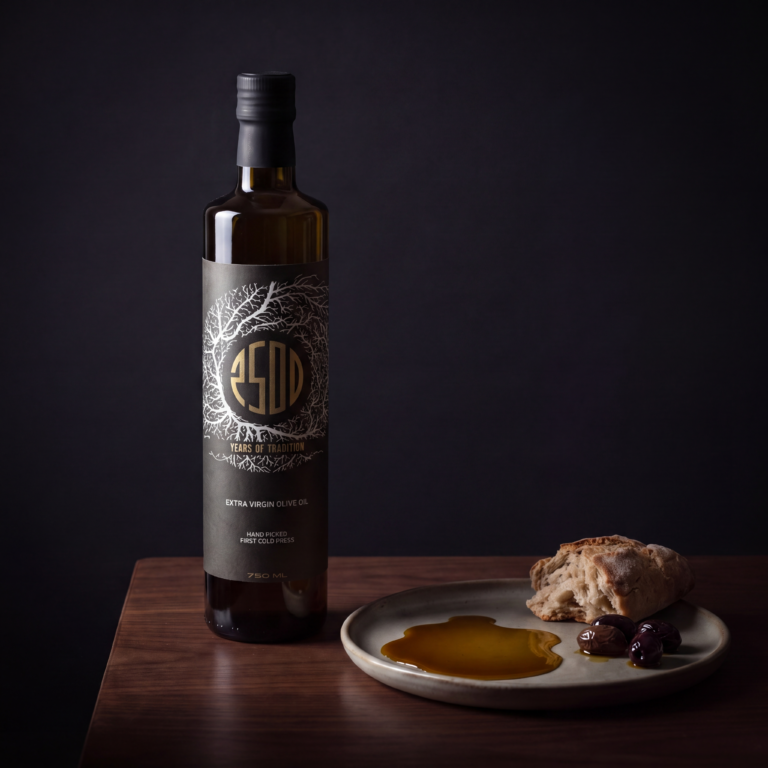
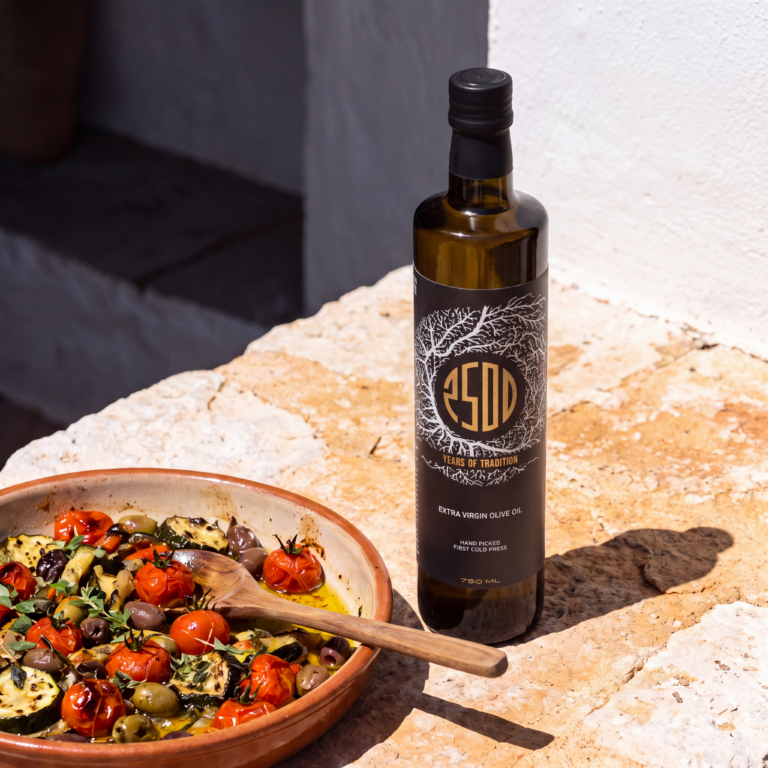
We proudly offer several brands, including Al ATIKA, IFRIQIA, 2500 Years of Tradition, and 2500 Origins, each representing the richness of Tunisia’s olive oil heritage.
By combining these exceptional varieties with OLYFO’s commitment to quality, sustainability, and ethical sourcing, every bottle becomes more than olive oil — it’s a journey through Tunisia’s sun-drenched landscapes and living traditions. Whether used raw to highlight freshness or in cooking to add depth and richness, OLYFO oils elevate every culinary experience.
Experience the diversity of Tunisian olive oils today with OLYFO — where heritage, flavor, and quality meet.